WELCOME
This is a curated collection of additional work that demonstrates my approach to visual design leadership, systems thinking, and hands-on execution. Some expand on projects already in my portfolio; others are new. All prove the core skills YouTube needs: designing at scale, shipping with discipline, and integrating AI into production workflows.
LEGO® WECHAt mini program app
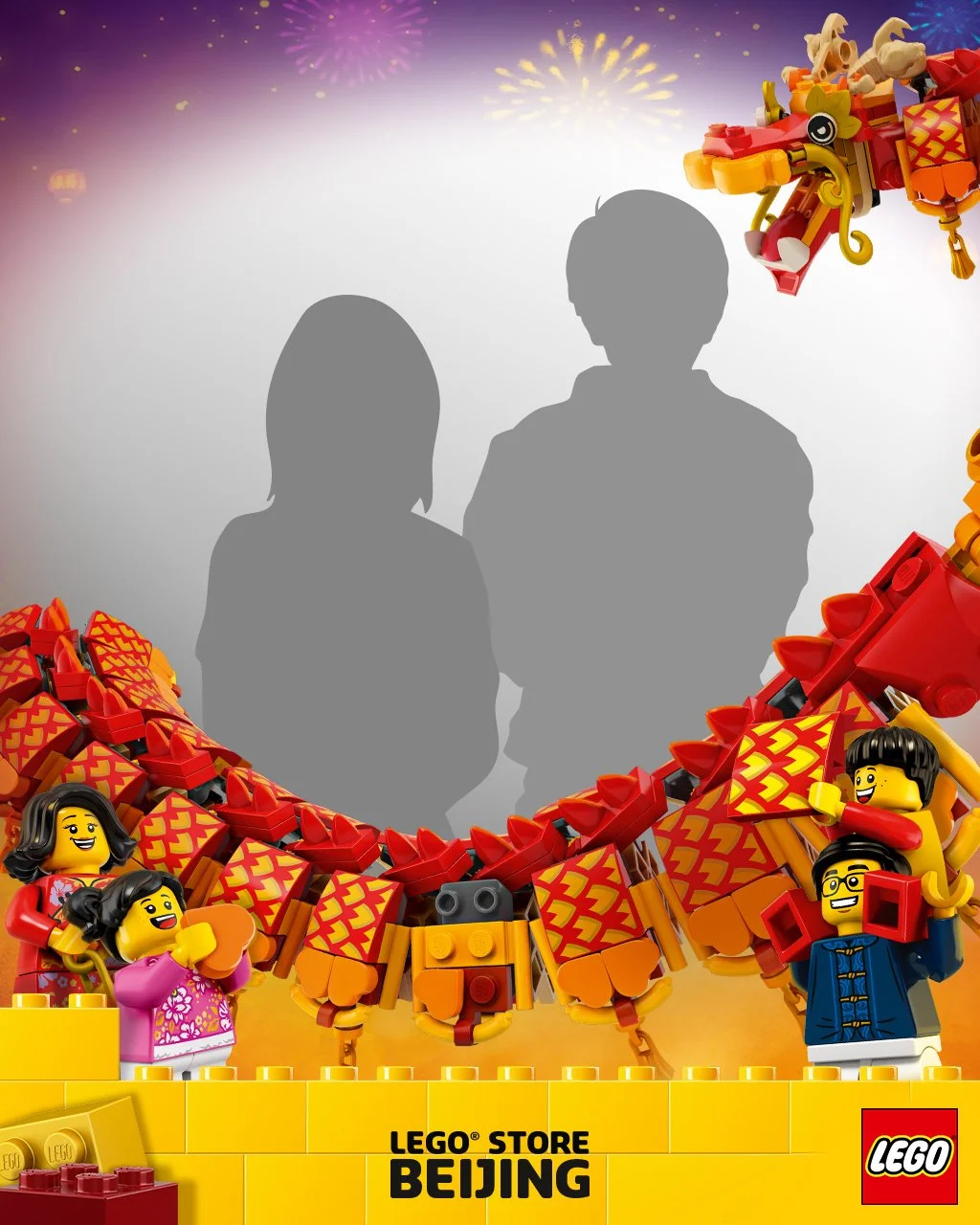
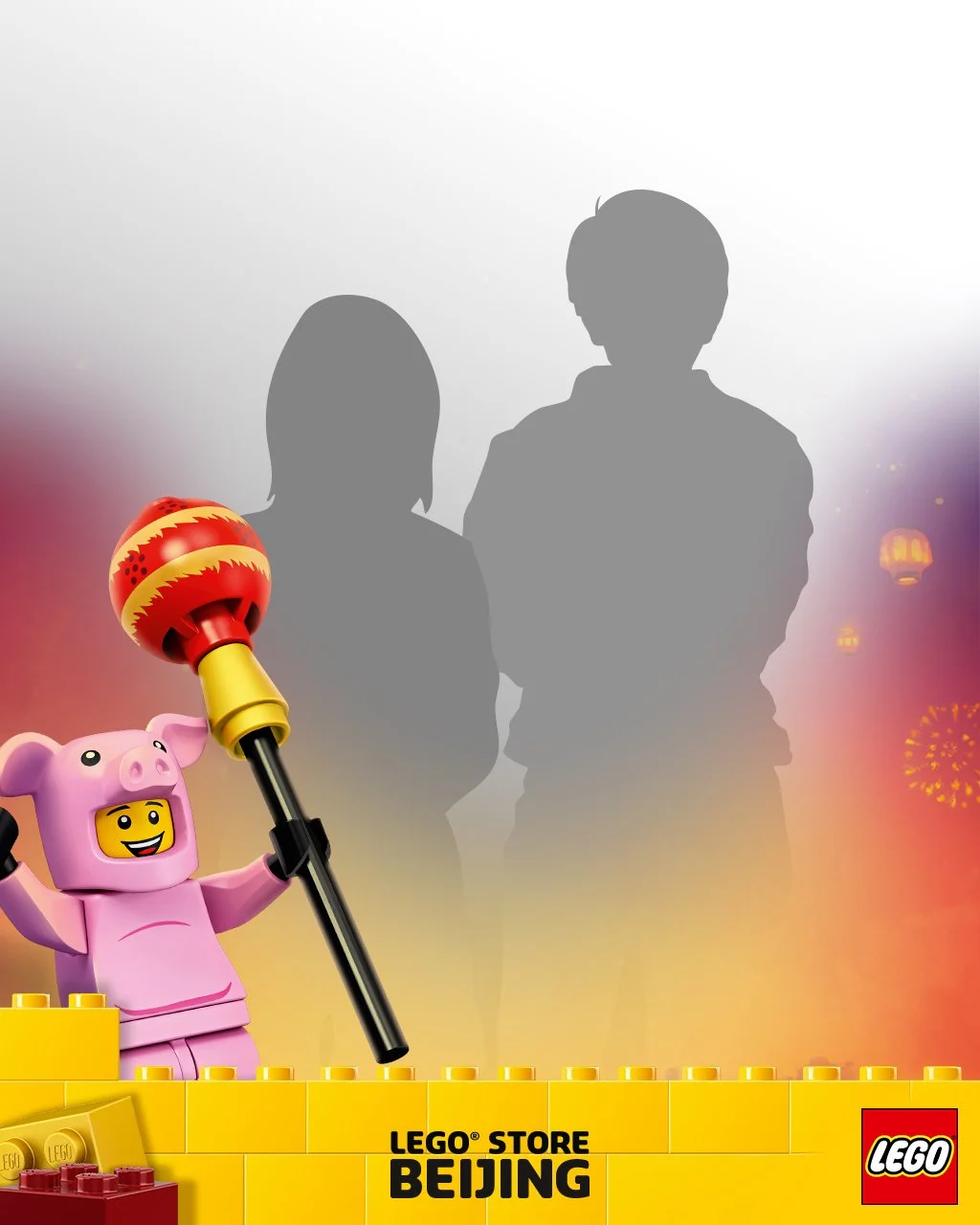
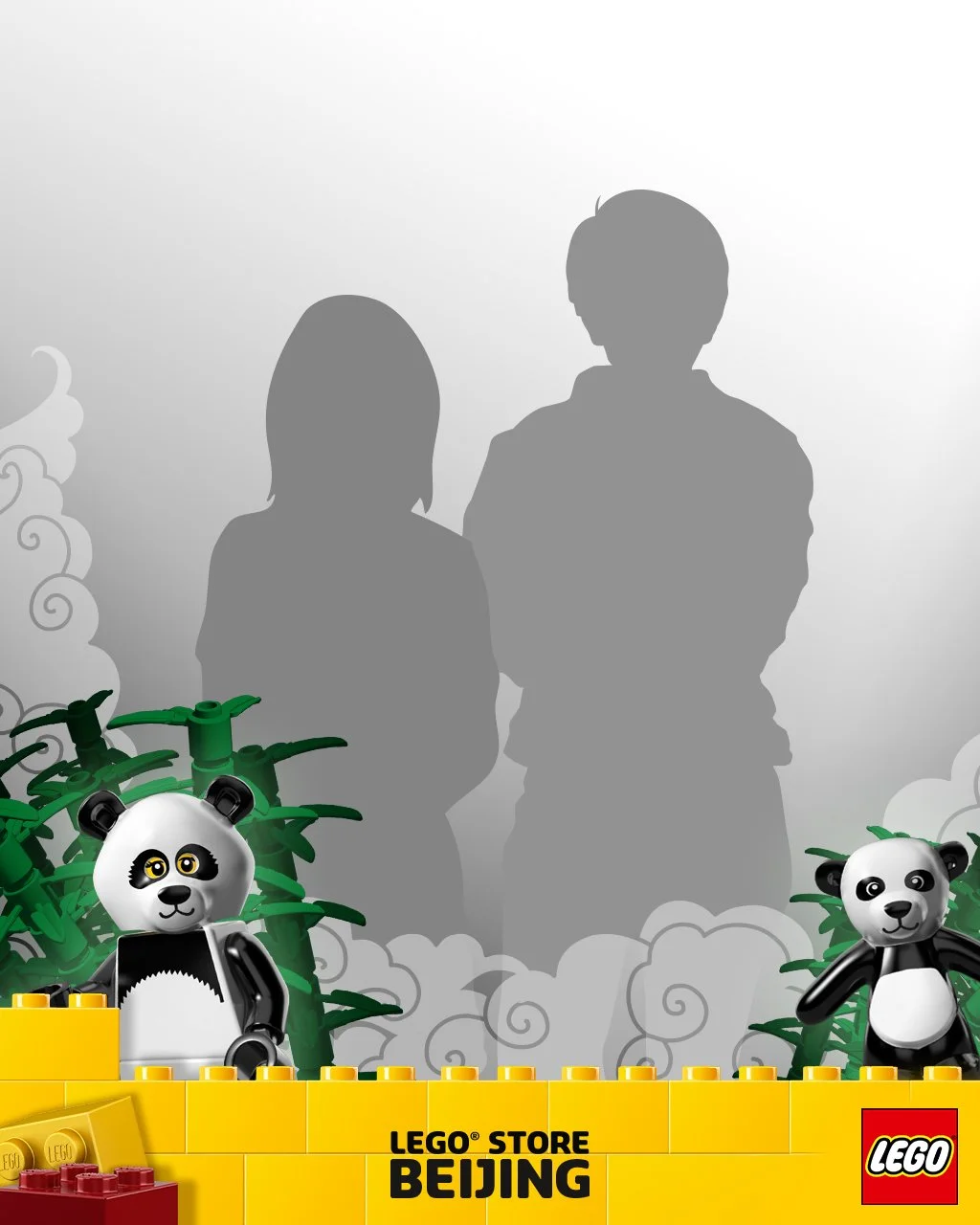
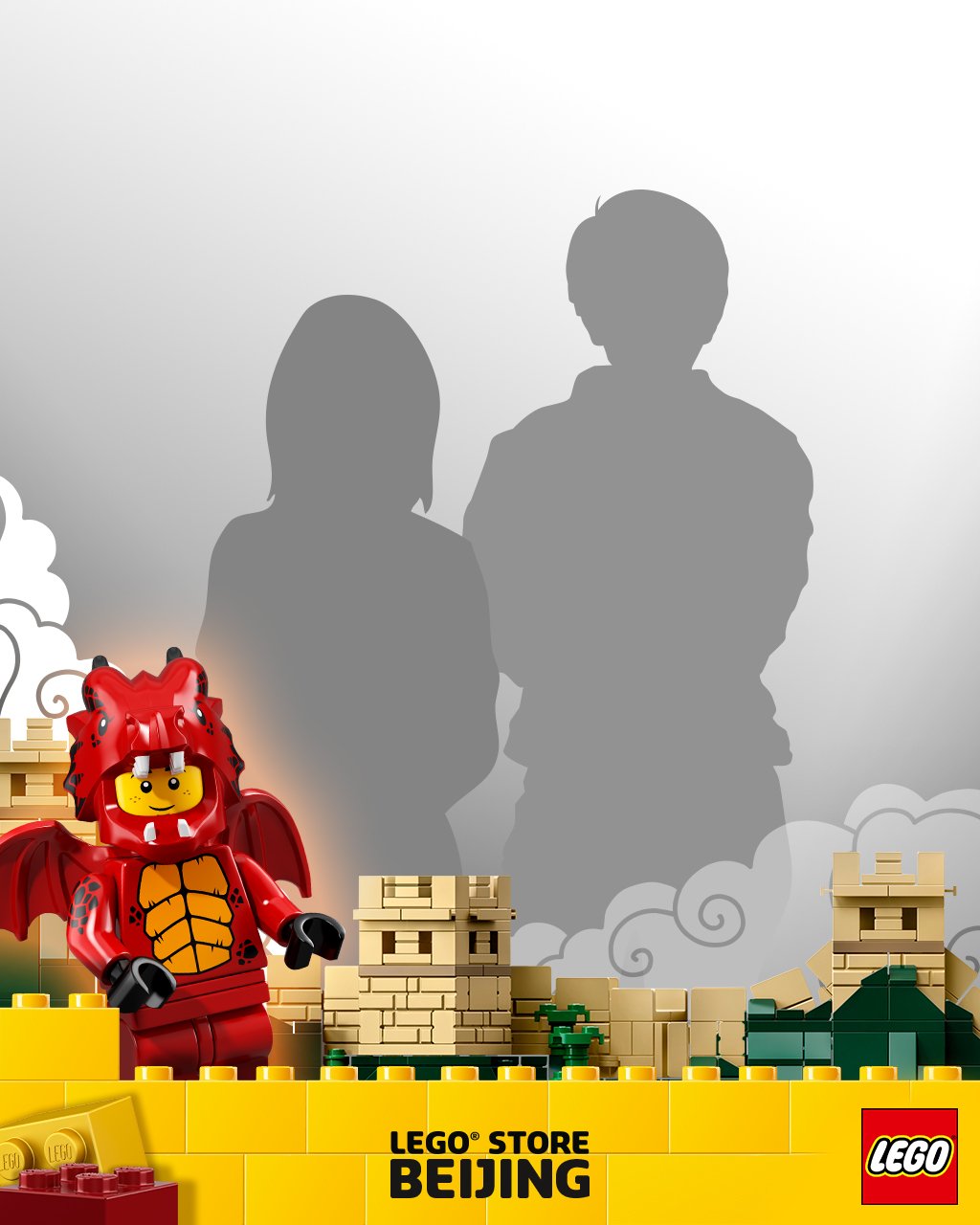
Designing Visual Systems at 900M+ Scale
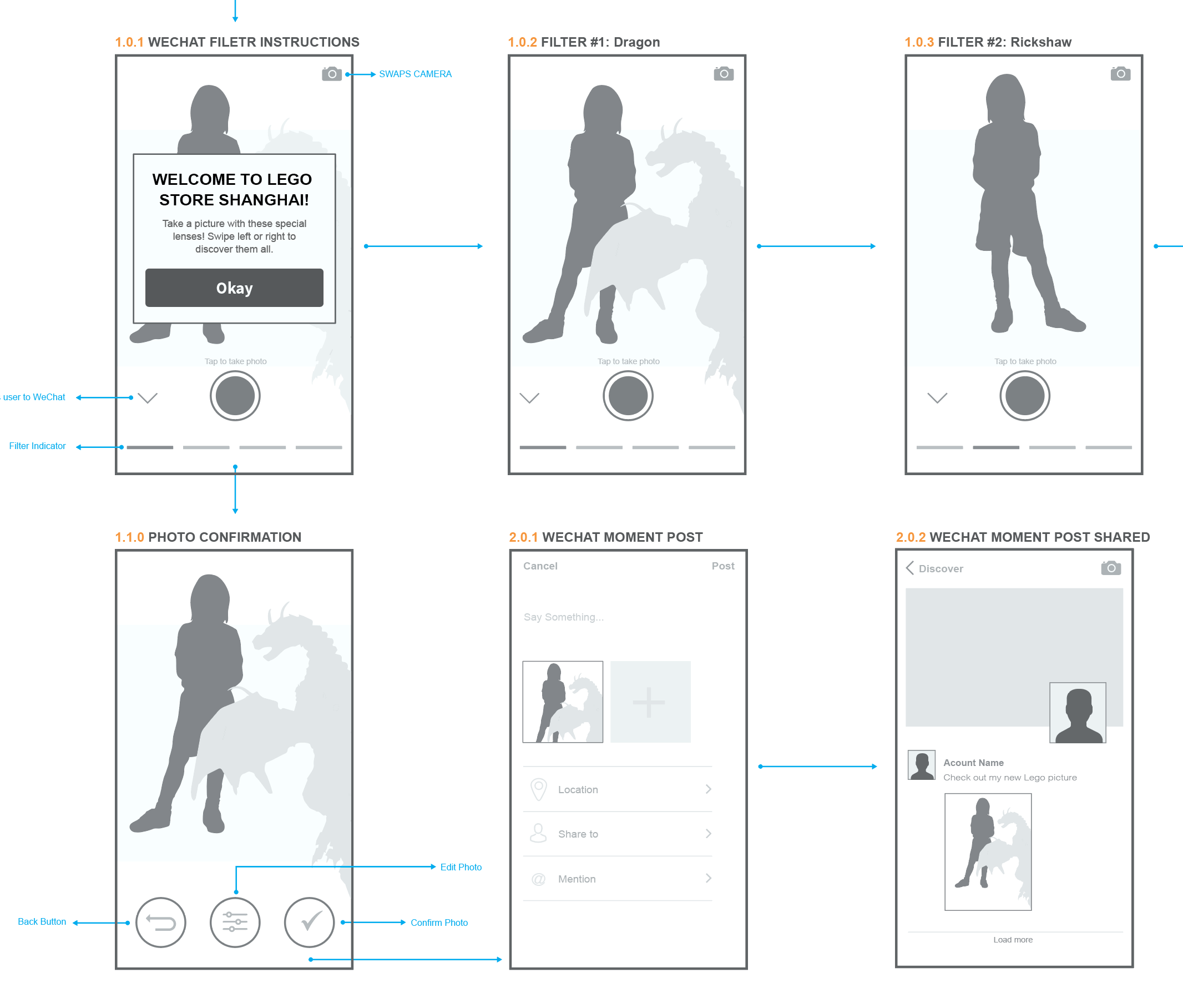
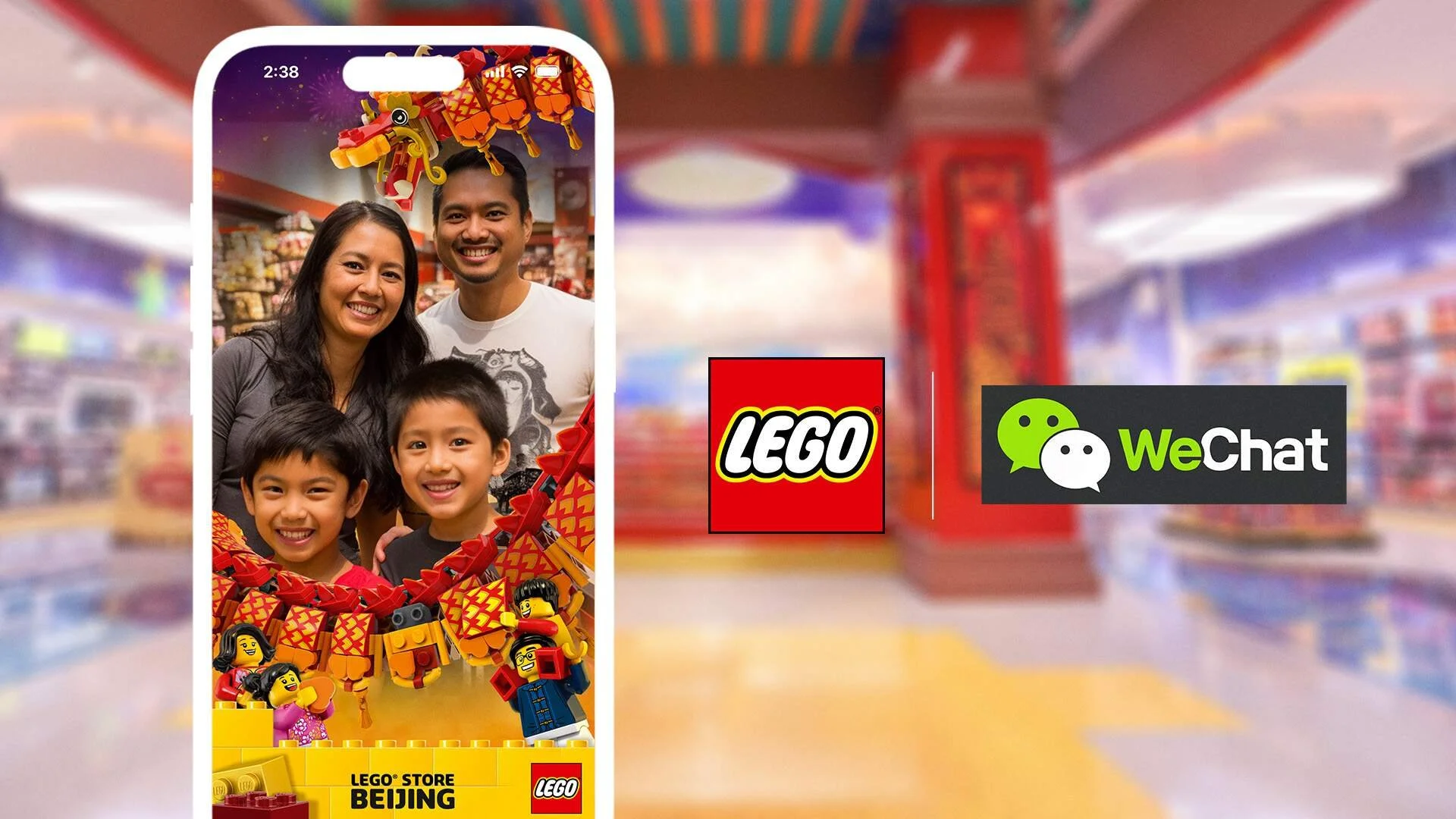
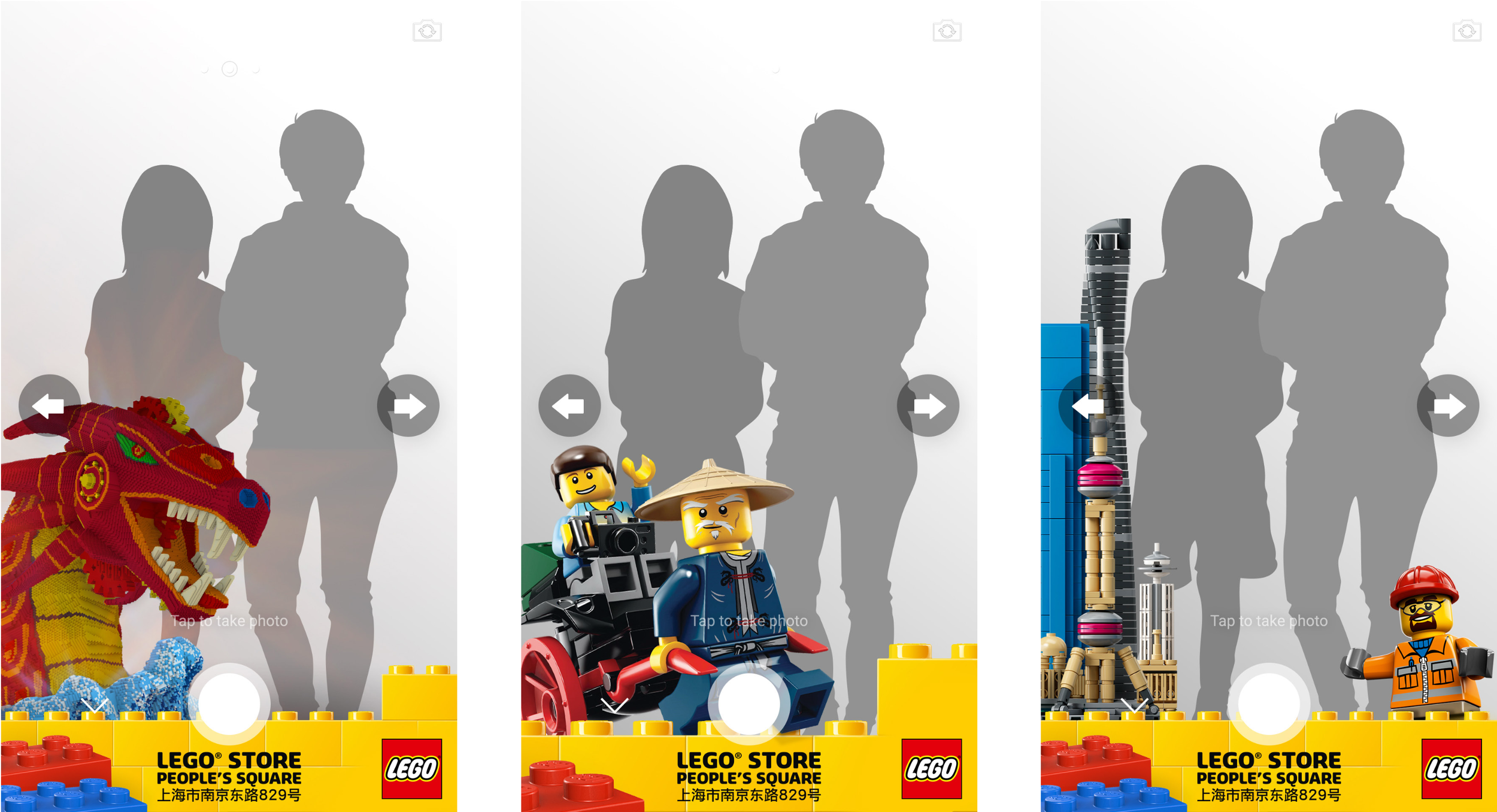
When LEGO launched their Beijing store, Trigger XR was tasked with creating an interactive experience that could scale instantly across a massive audience. I led the UX/UI design and asset creation for a WeChat Mini Program that became wildly popular, reaching 900 million daily users. The challenge wasn't just creating beautiful filters. It was building a visual system flexible enough to work across multiple LEGO-themed formats (Chinese Dragon, Rickshaw Man, Shanghai Skyline) while maintaining brand coherence and encouraging organic sharing.
The work proved one thing: design systems matter at scale. When you're designing for hundreds of millions of daily interactions, consistency isn't a preference, it's non-negotiable. I built the interaction flows, asset pipeline, and visual language so the system could perform reliably across every touch point.
GOOGLE PROJECTS: FRISKIES + BRAINWASH
Shipping Products Through Google's Review Process
I've shipped two products directly with Google, which taught me how their teams operate, how their review process works, and how to move through it without friction. Both projects required different creative thinking, different technical constraints, and different collaboration styles, which is exactly what makes them worth showing.
PURINA, FRISKIES CAT FOOD Experience
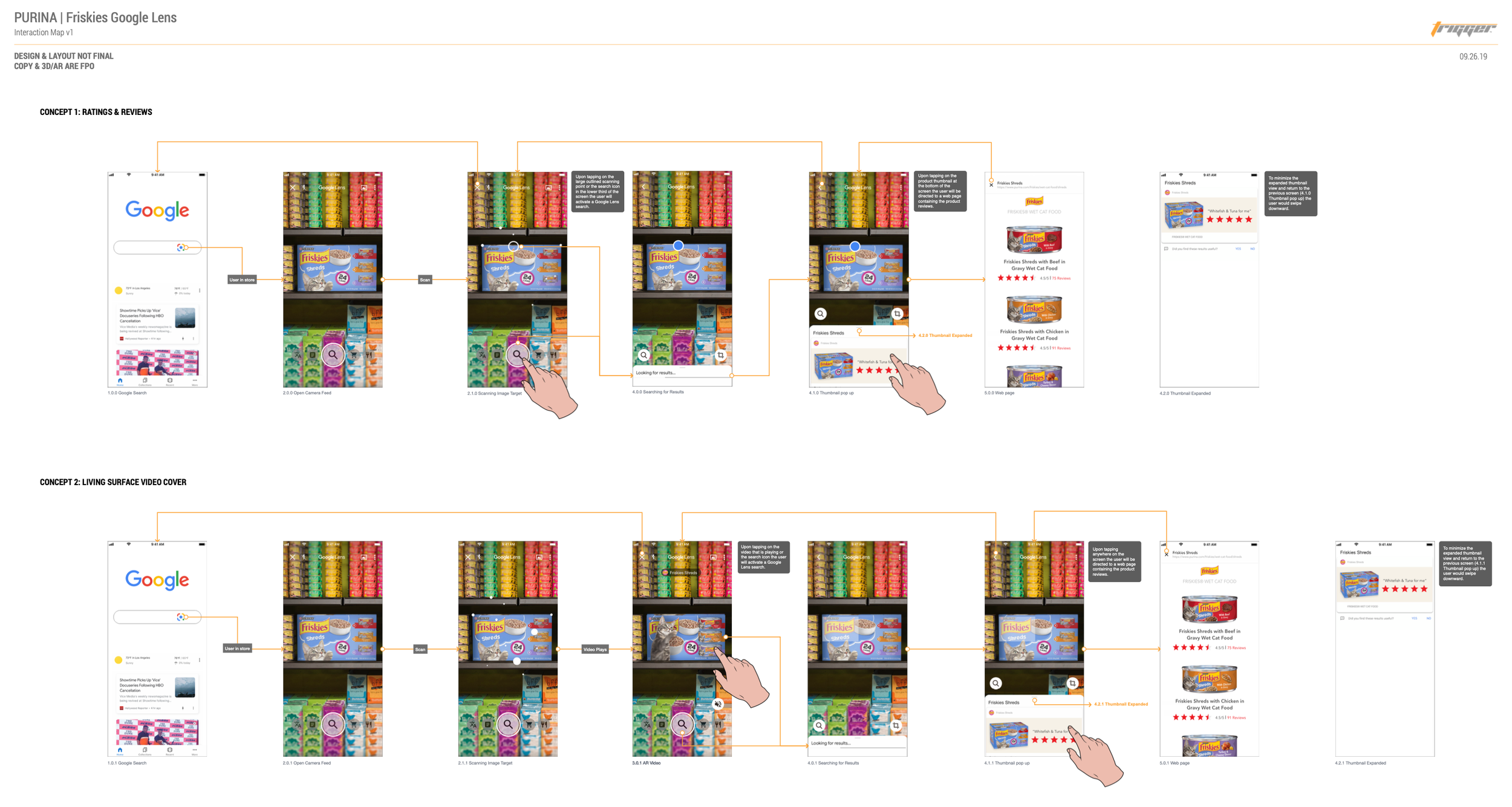
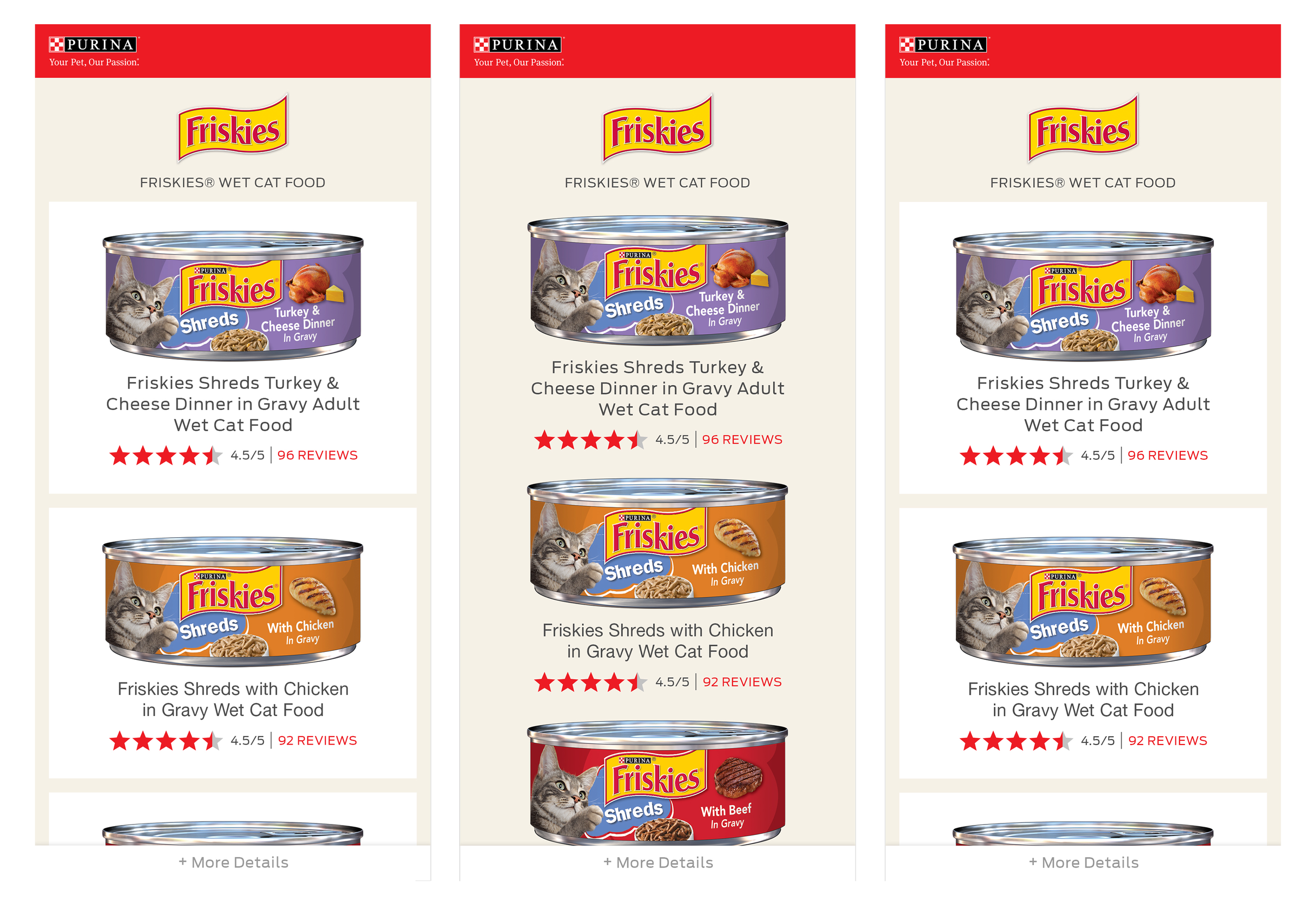
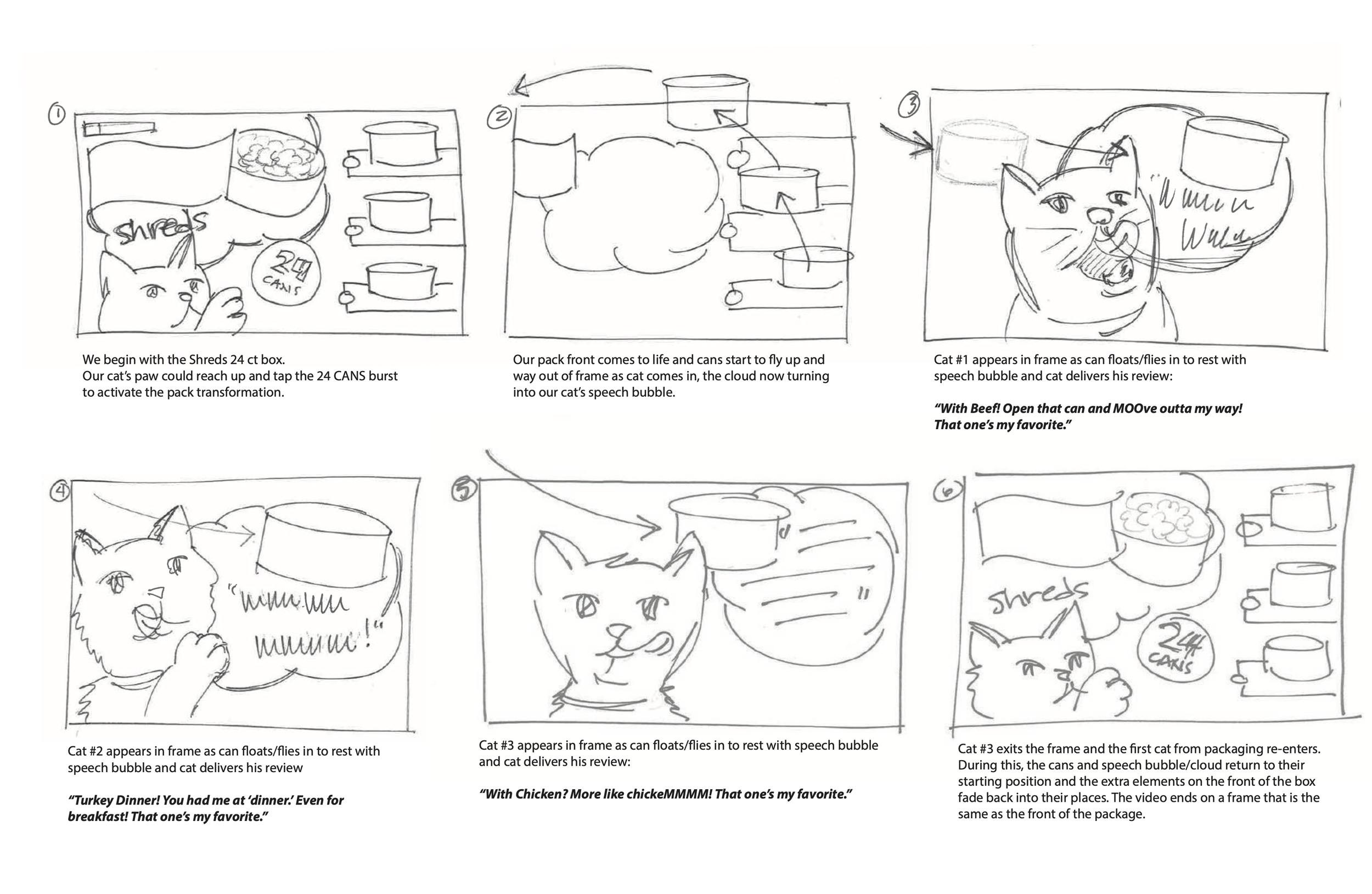
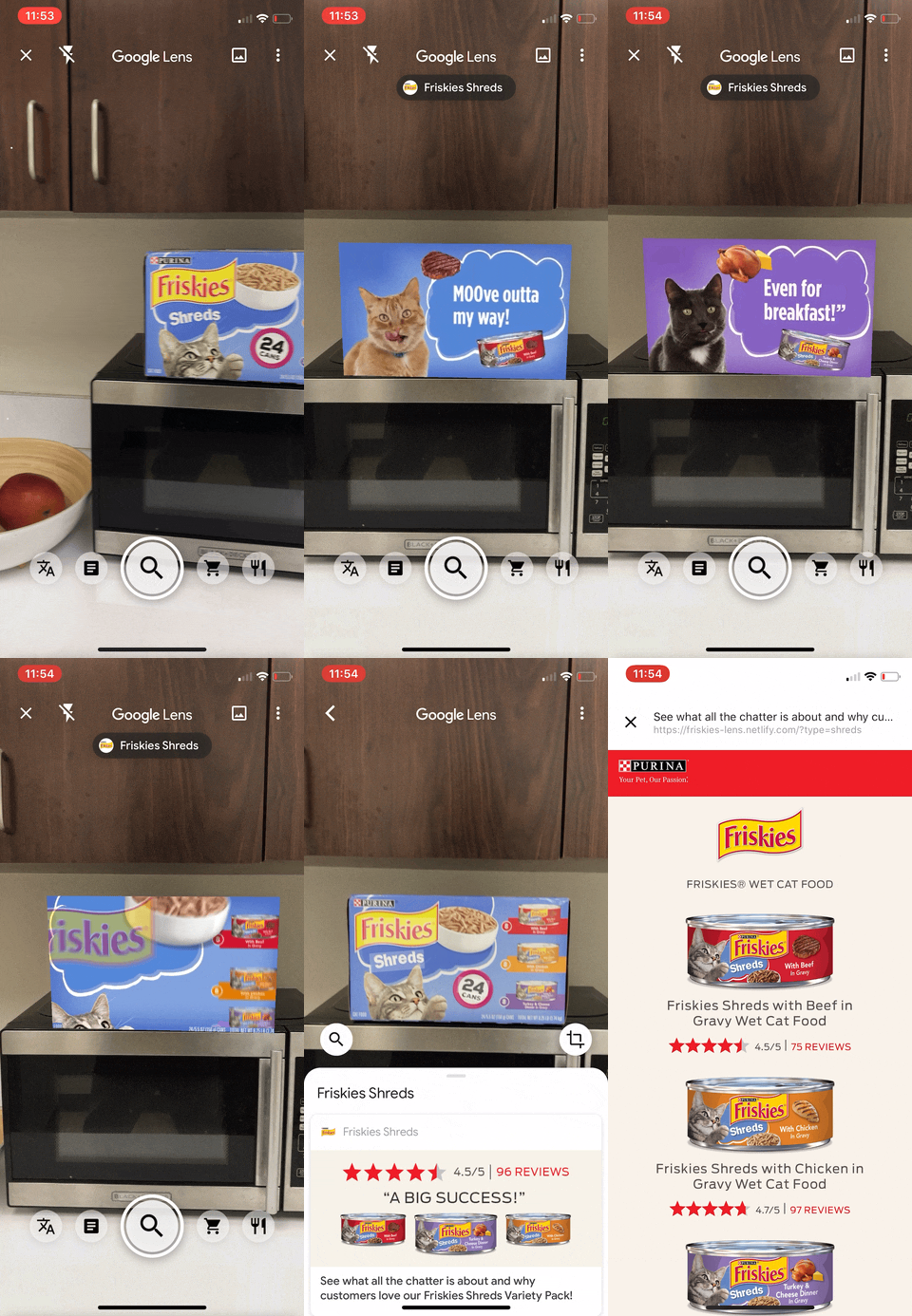
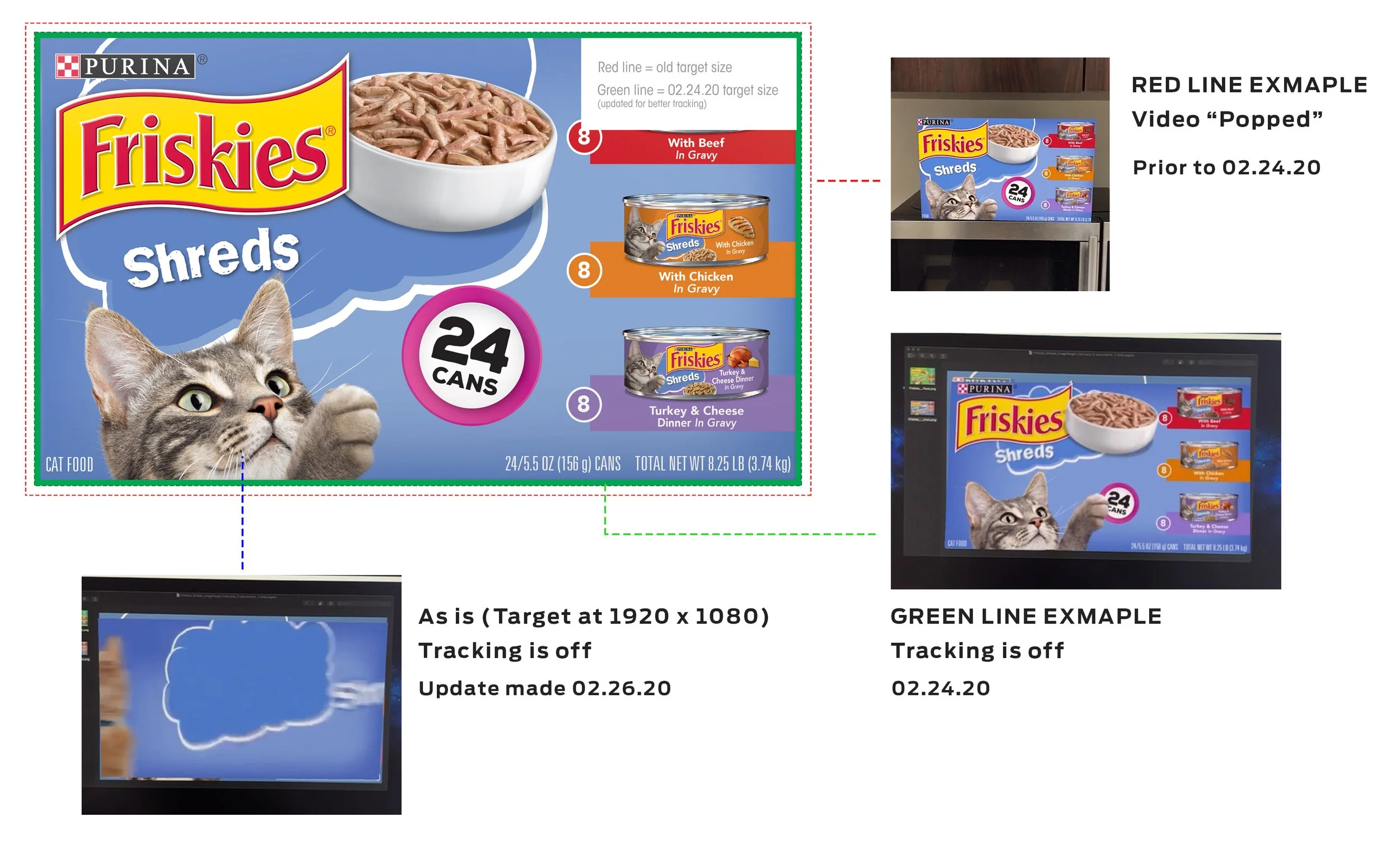
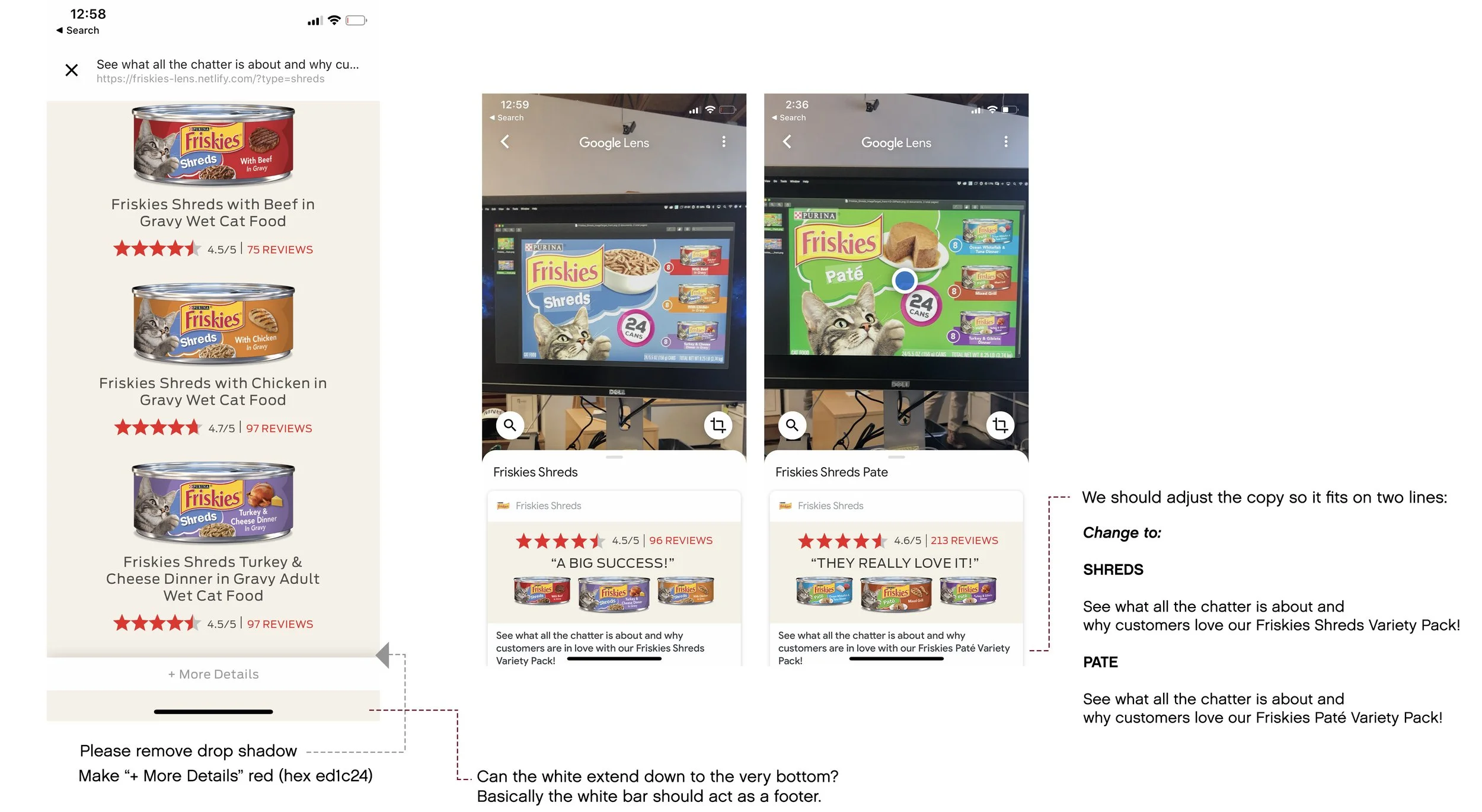
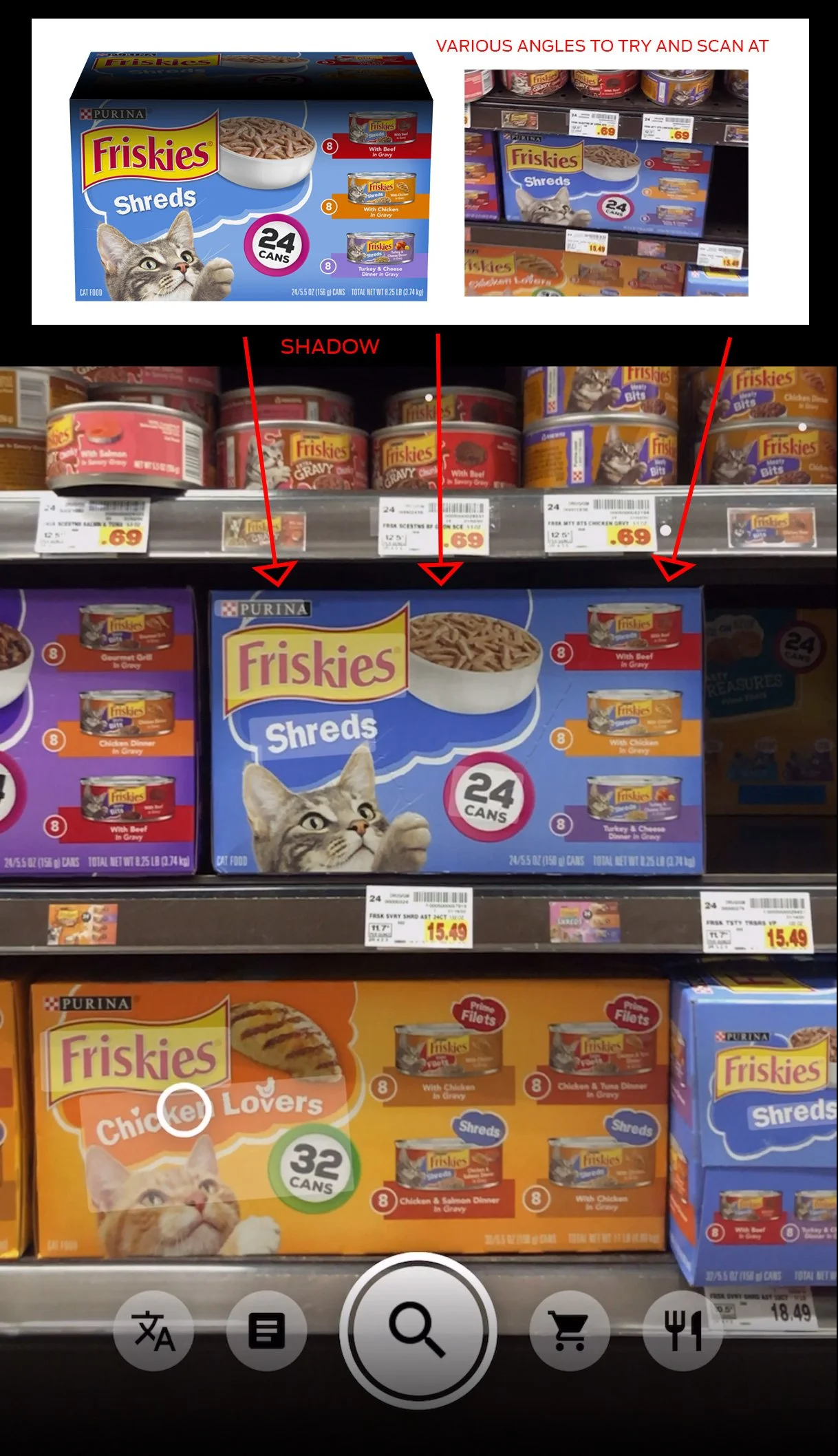
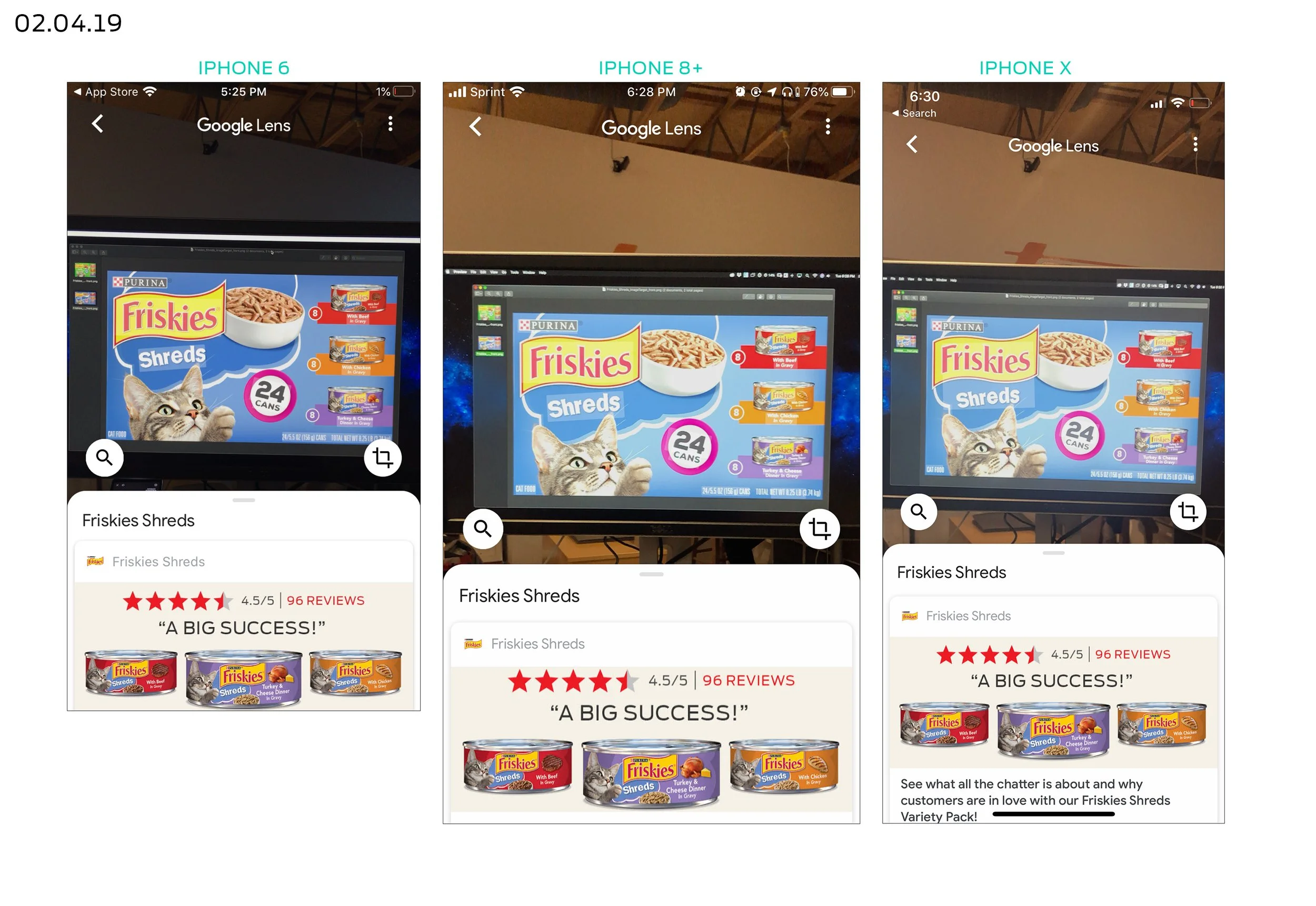
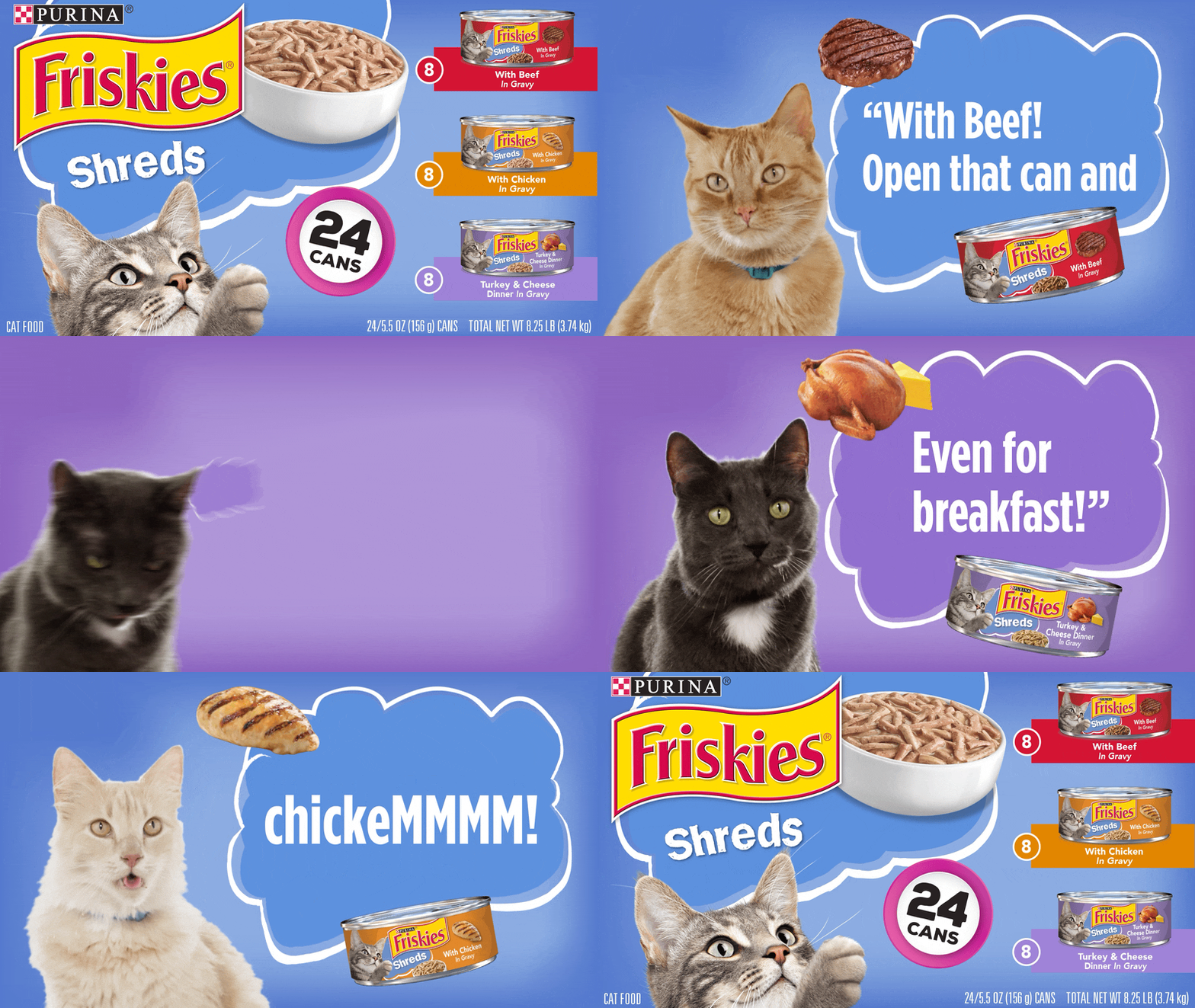
Friskies was a machine learning-triggered AR experience for Google Lens that activated when users scanned Purina packaging. I conceptualized and directed the promotional video, worked with motion designers and video editors to craft engaging creative, and collaborated with developers to fine-tune the user experience. The product shipped successfully through Google Lens.
Brainwash puzzle Game
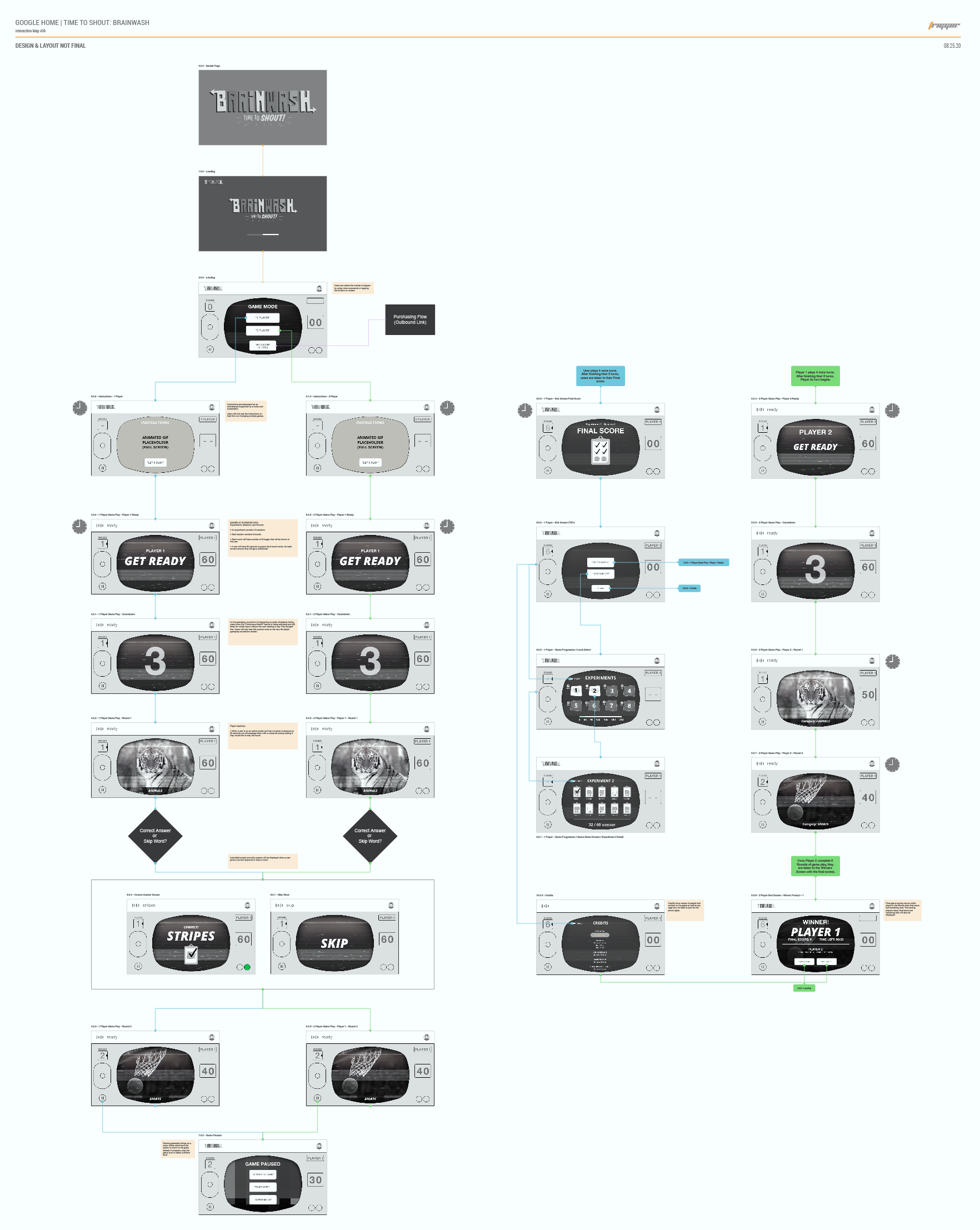
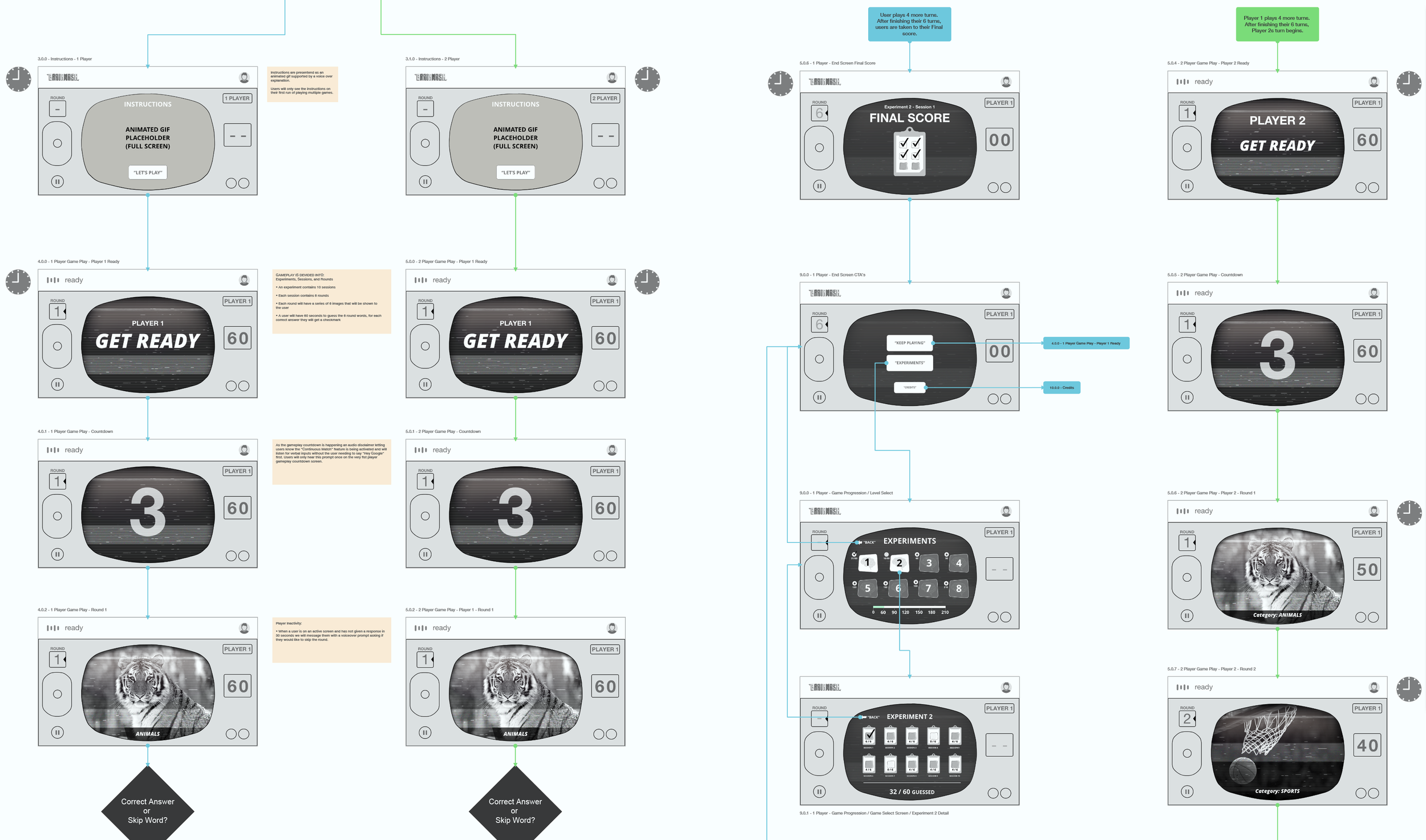
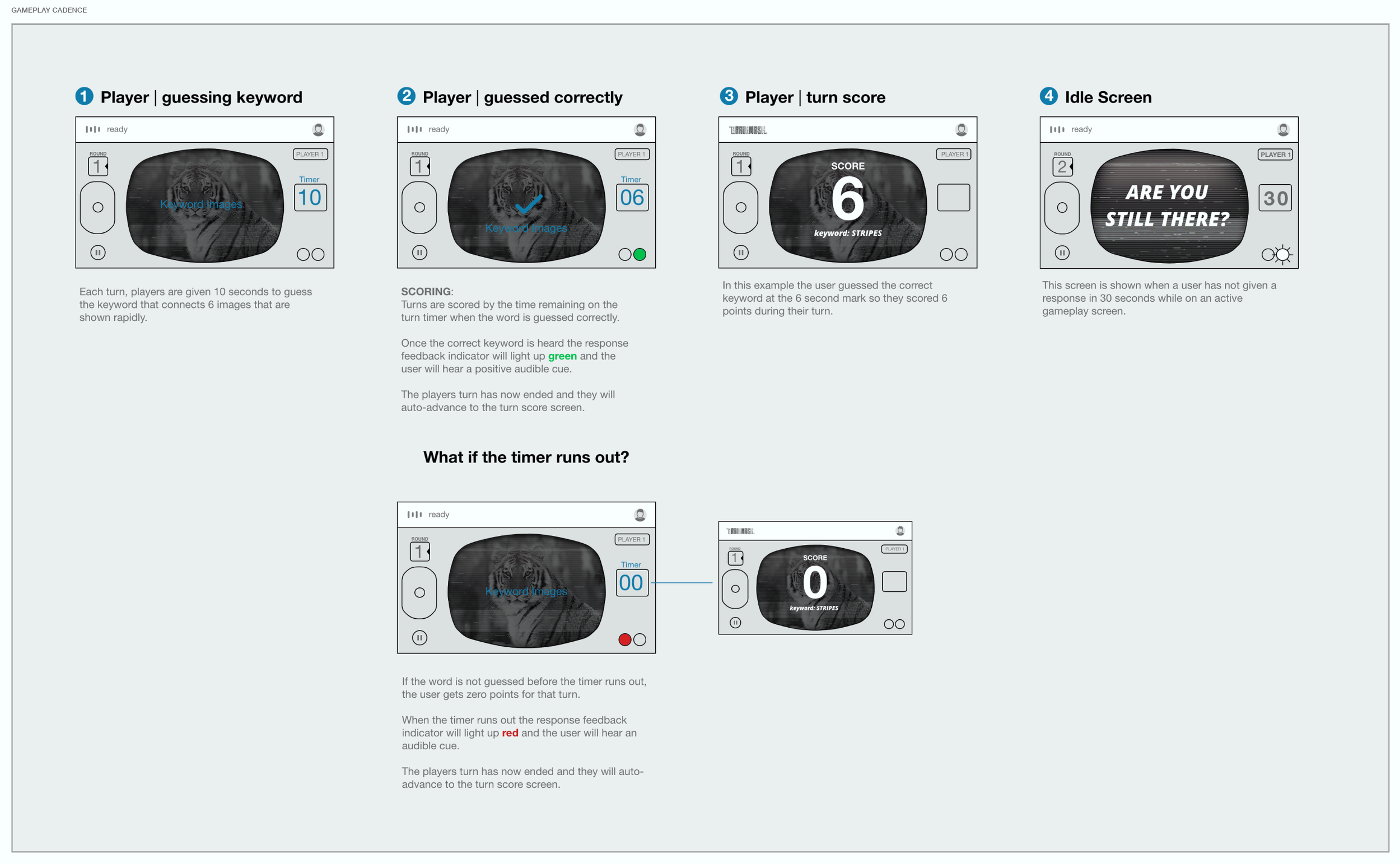
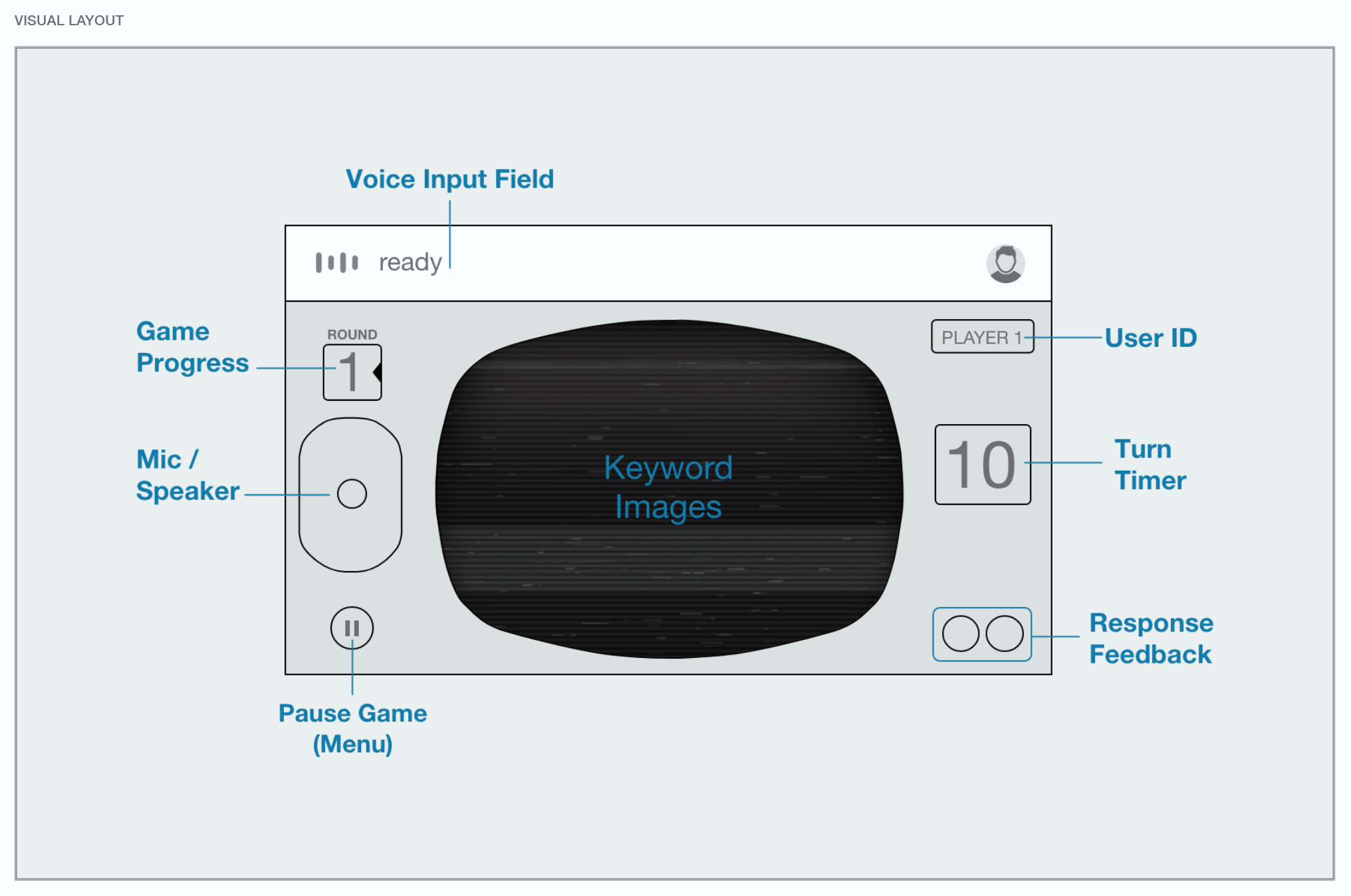
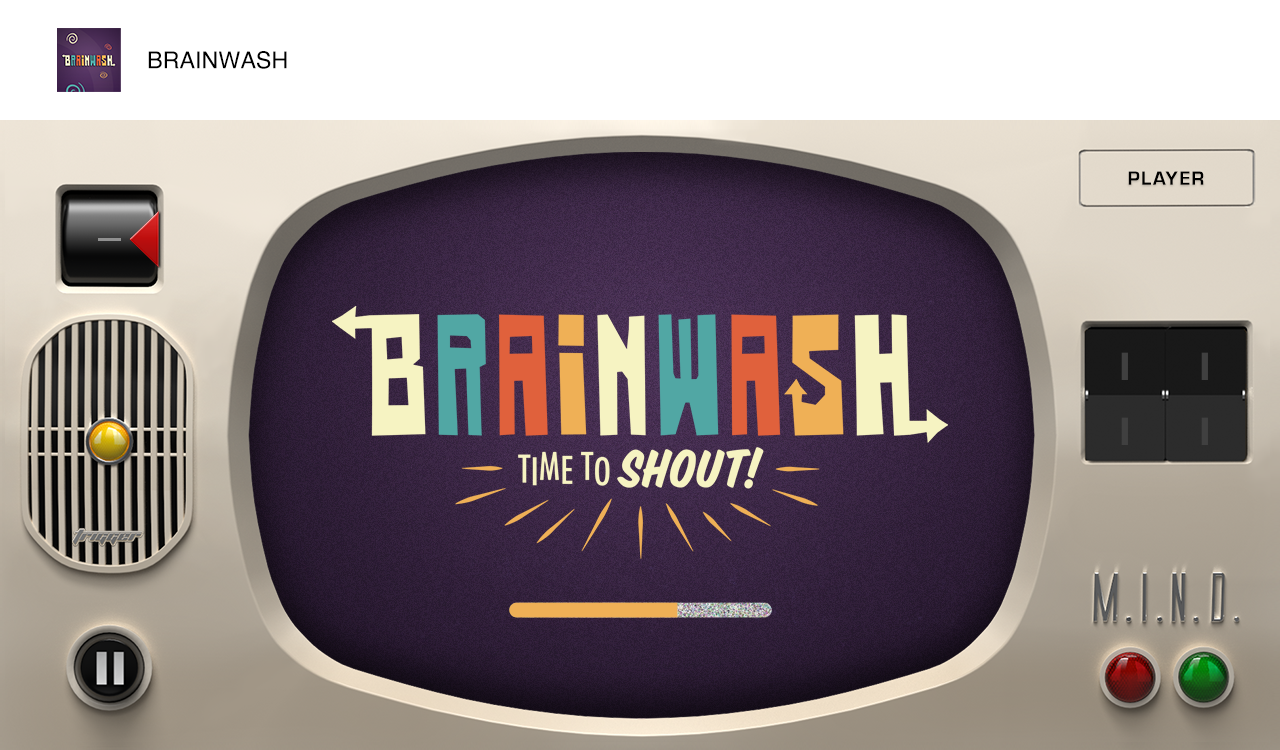
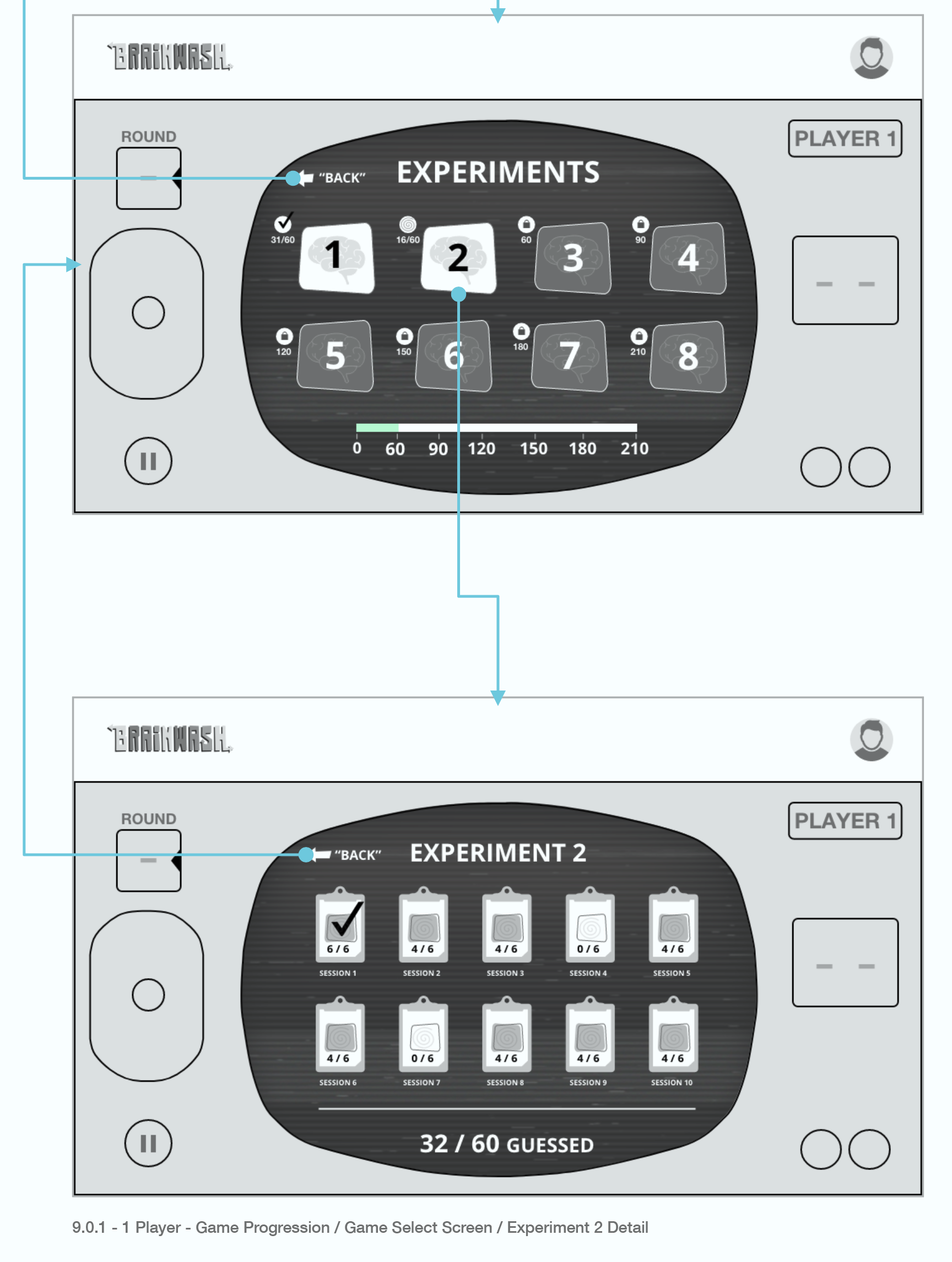
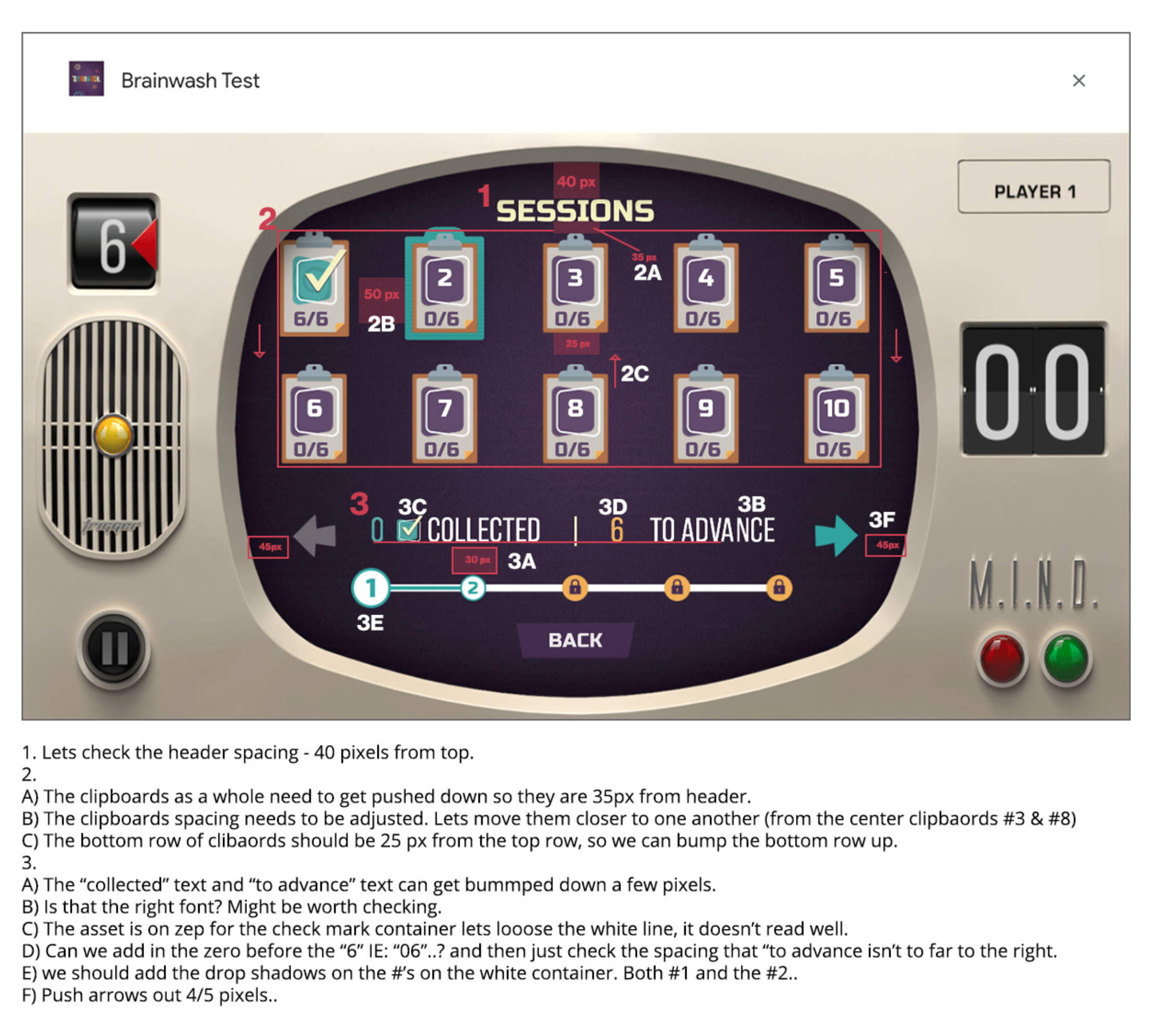
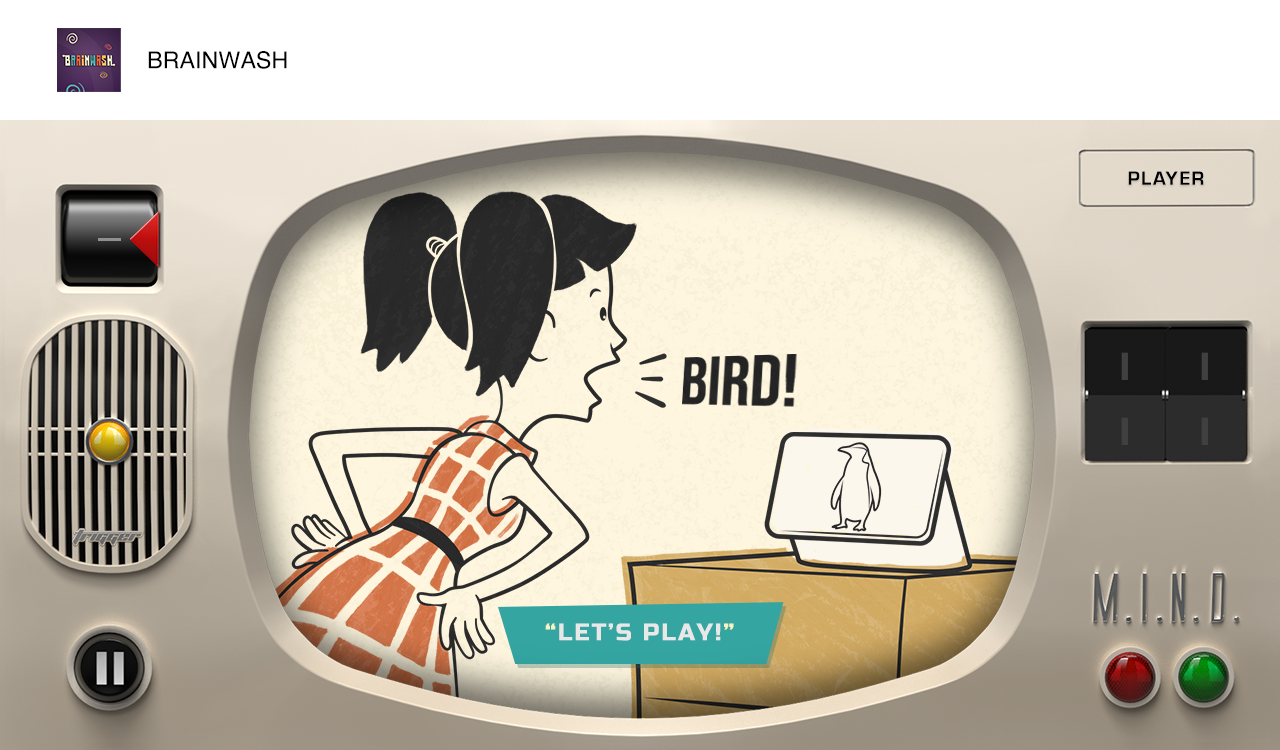
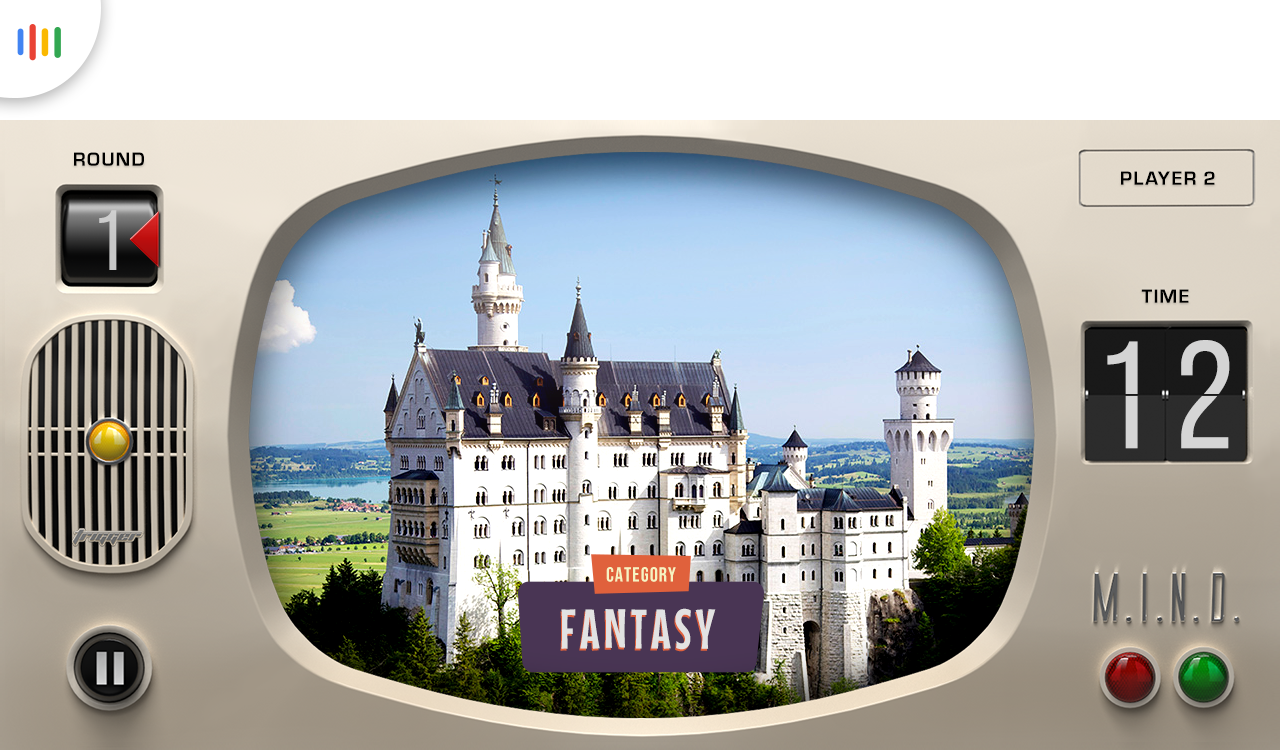
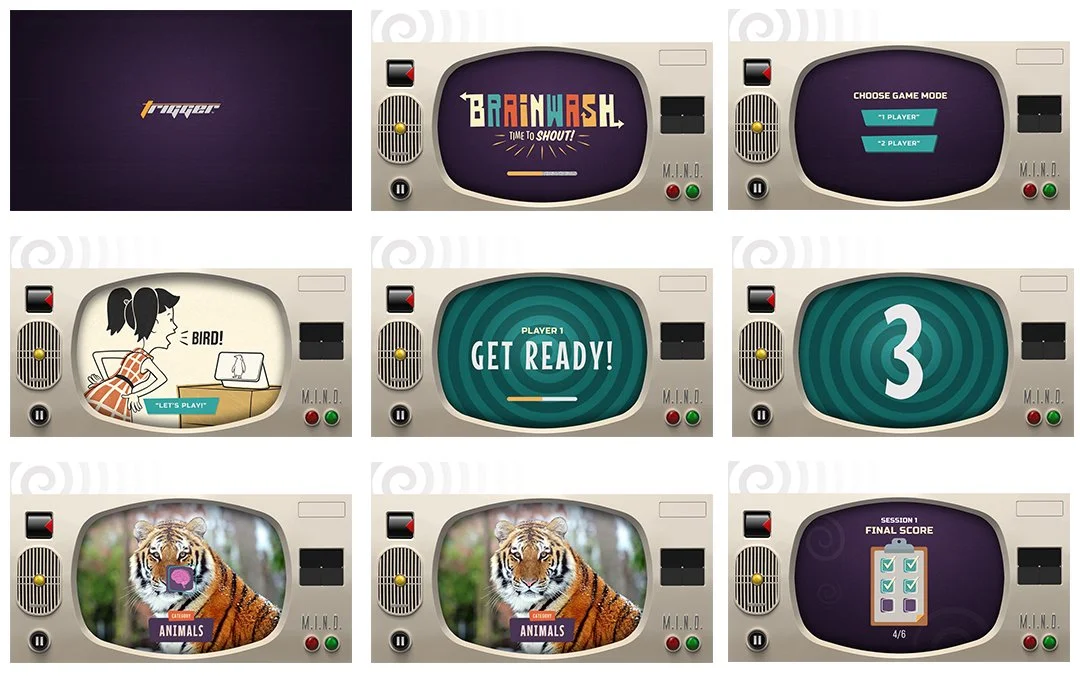
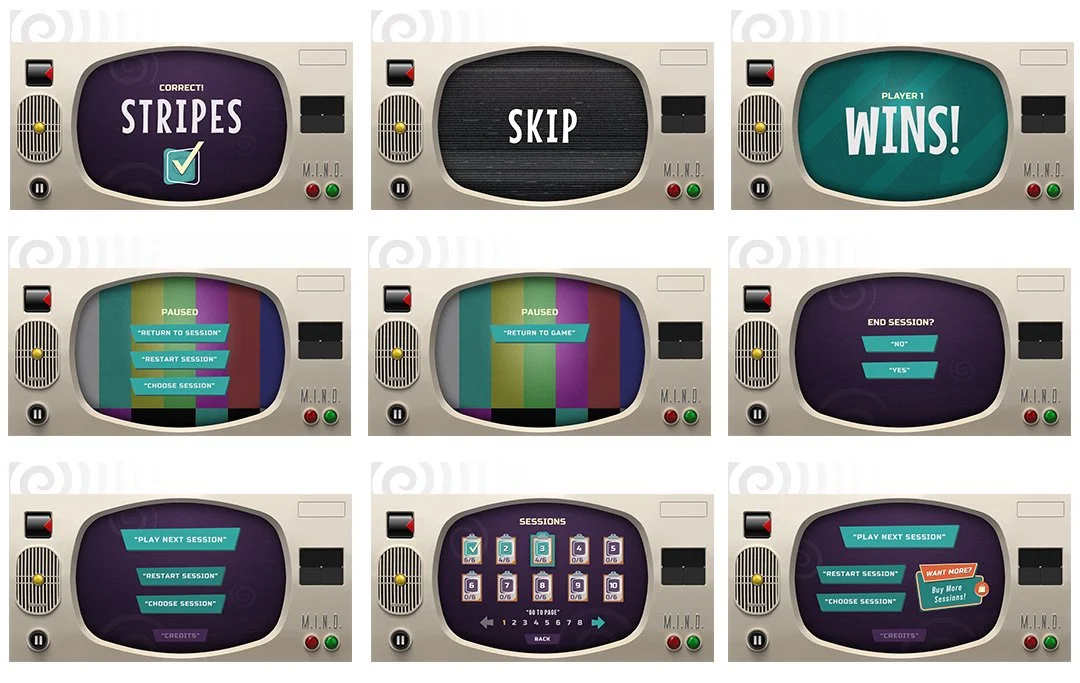
Brainwash was a voice-activated puzzle game for Google Nest Hub and Nest Hub Max, where players use spoken commands to connect words to images. I led the creative direction across UX/UI, game mechanics, 3D, sound, and promotional content. More importantly, I owned the stakeholder communication and iterative development process with Google's team, implementing feedback and refinements to meet their objectives and launch standards.
INSTRUMENT & SNAPCHAT
Product Design Thinking Applied to Short-Form Content at Scale
At Instrument, I didn't design a platform or product interface. But I applied product design thinking to how I approached the briefs and executed the work. I was getting 30 briefs a month for Snap's organic marketing content, developer spotlights, teasers, social shorts, email, and blog content. With a lean team and a tight budget, I couldn't treat each brief as a one-off project. So I built systems. I created a thumbnail building system, motion design systems, and 3D generative AI workflows that let a small team move fast and stay consistent. Constraints drove efficiency, and efficiency became the design.
Spectacles Developer Spotlight series
Spectacles Developer Spotlight Series
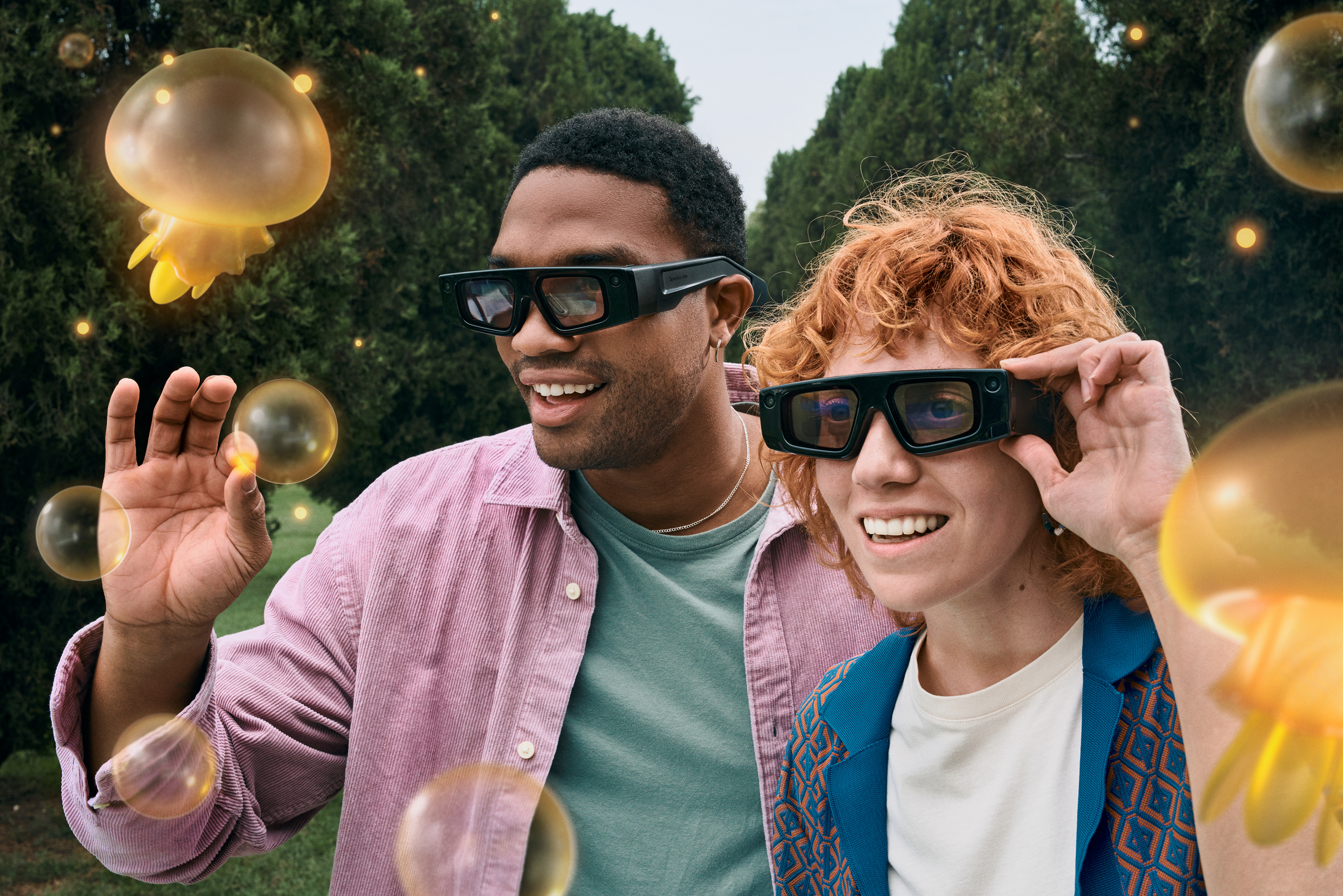
Led the series from concept to execution, defining narrative and visual direction for highlighting Spectacles developers. Used generative AI to create animated backgrounds and visual systems that elevated production value without adding animation overhead, proving AI could solve the efficiency problem without cutting corners. Designed a scalable workflow under impossible timelines and small team constraints that was so effective, Instrument and Snap adopted it as their standard process.
Spectacles series
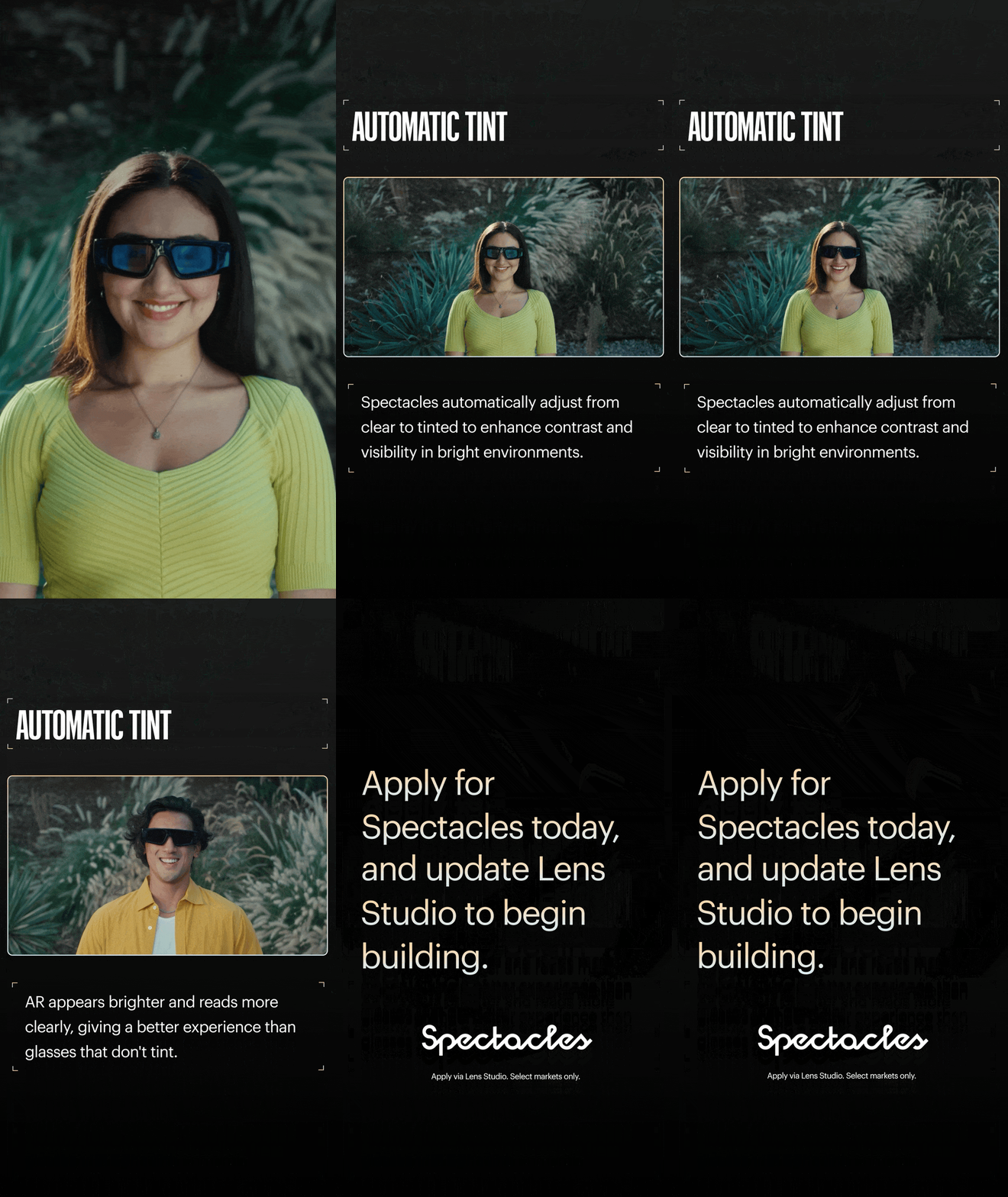
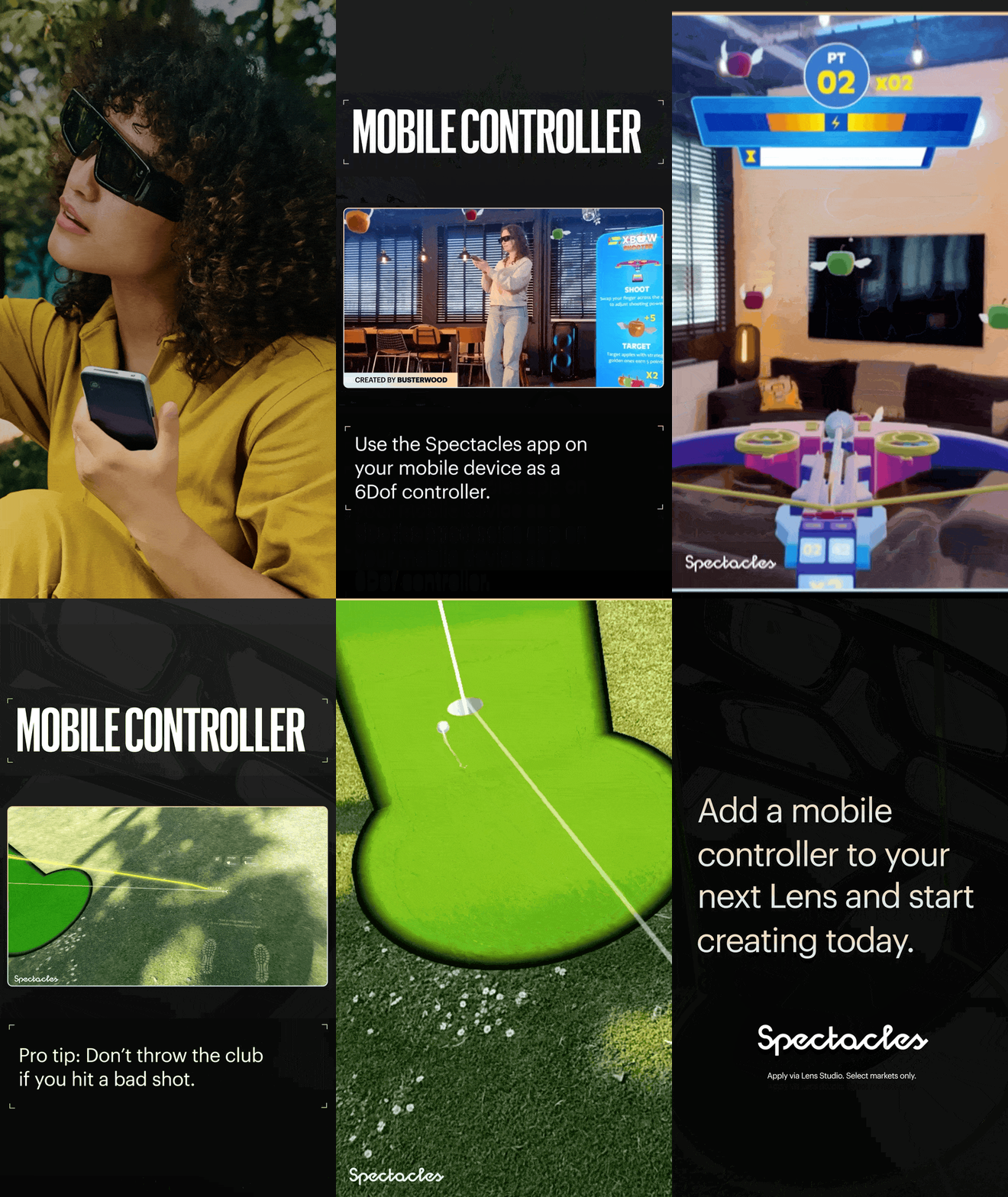
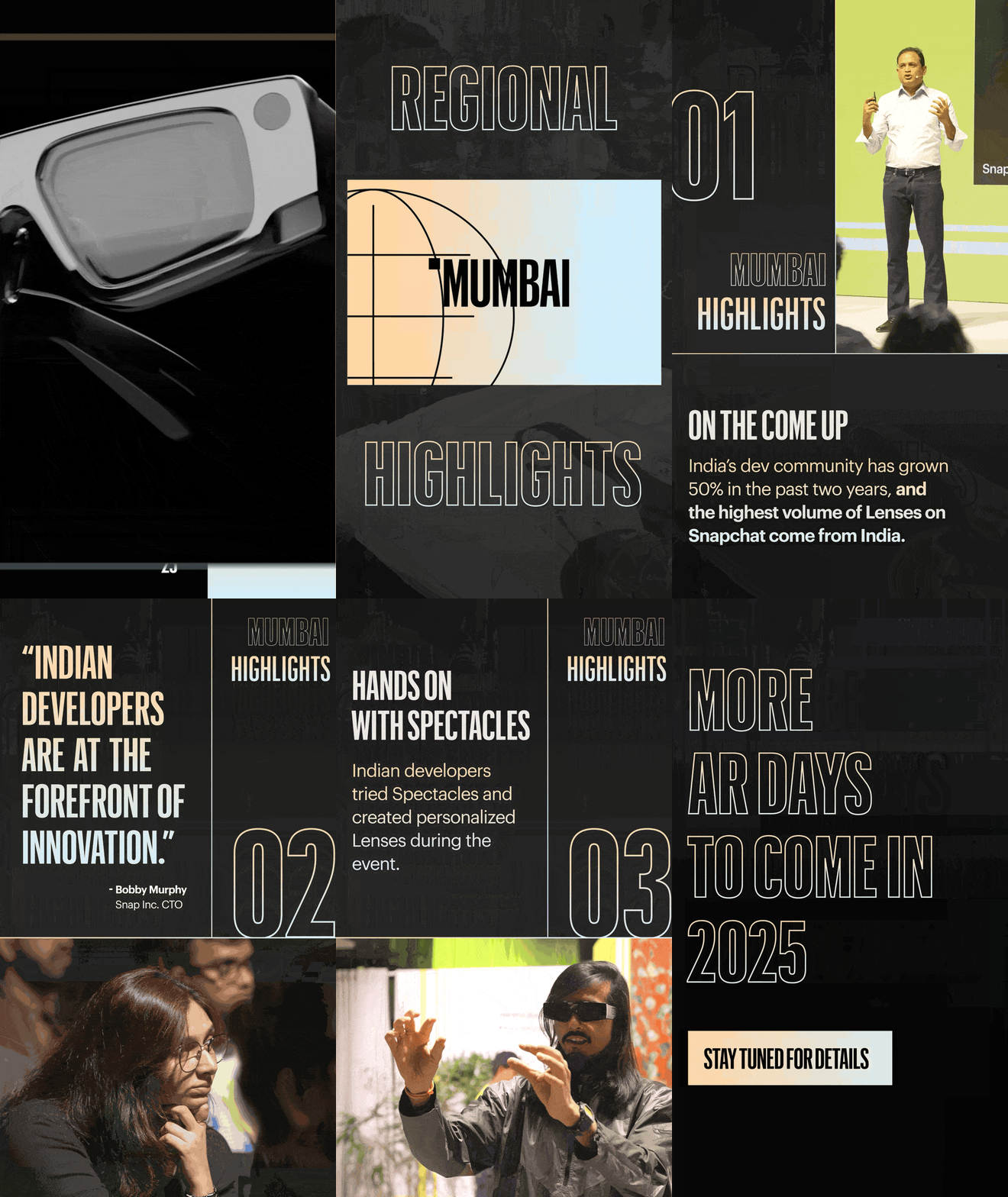
Spectacles Series
Built repeatable visual formats across multiple series: Did You Know (Automatic Tint, Mobile Controller, and others) and AR Days (London, India, New York). Each series maintained brand consistency while accommodating fast turnarounds and high volume. The work proved you could create a system flexible enough to handle different narratives, different geographies, different content types, all while keeping the visual language tight and recognizable.
Generative AI
Generative AI
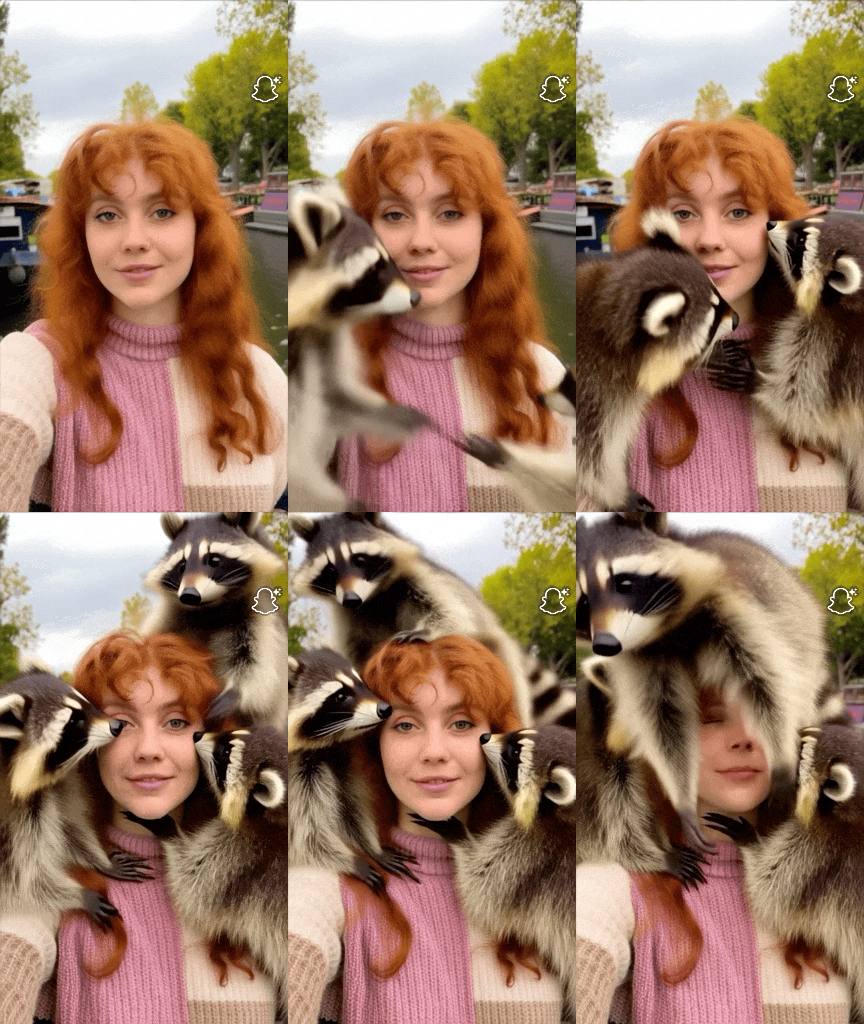
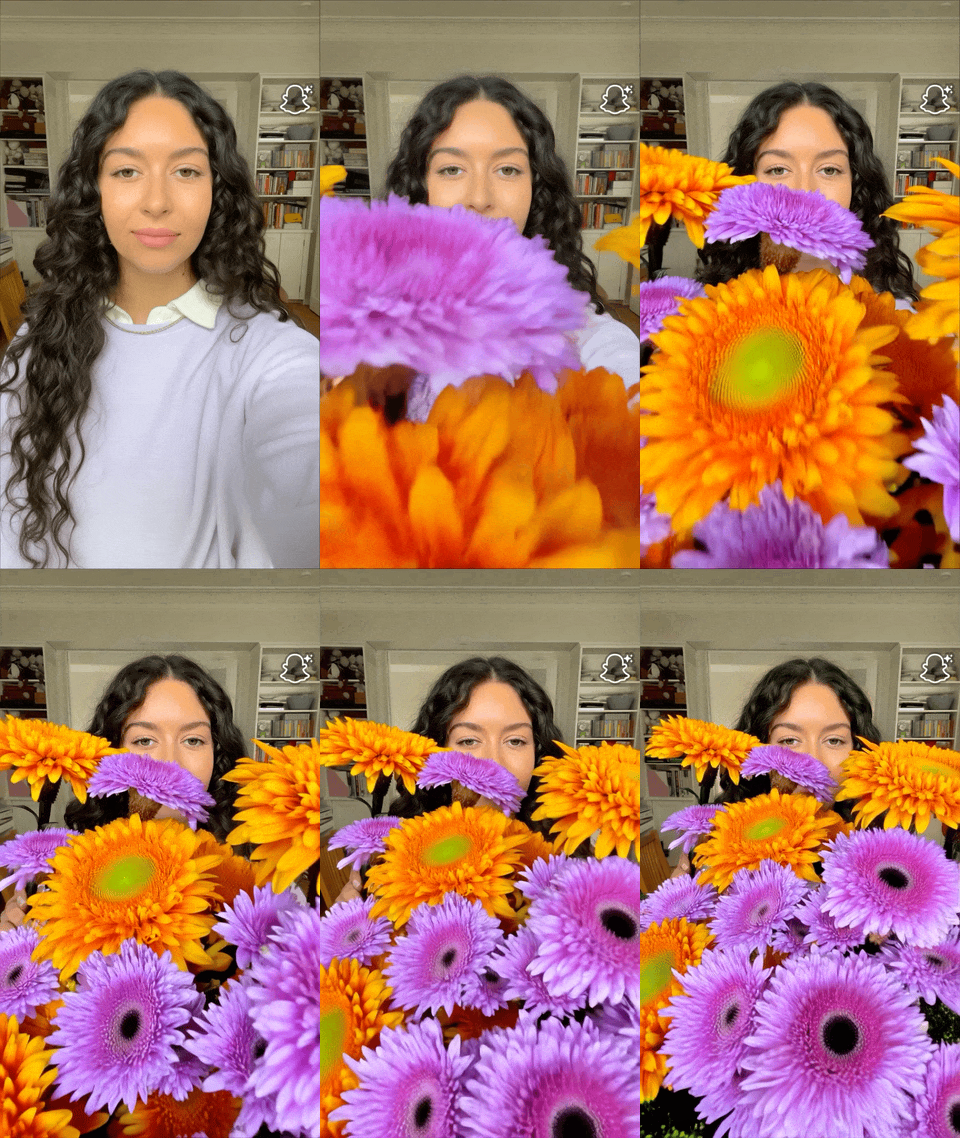
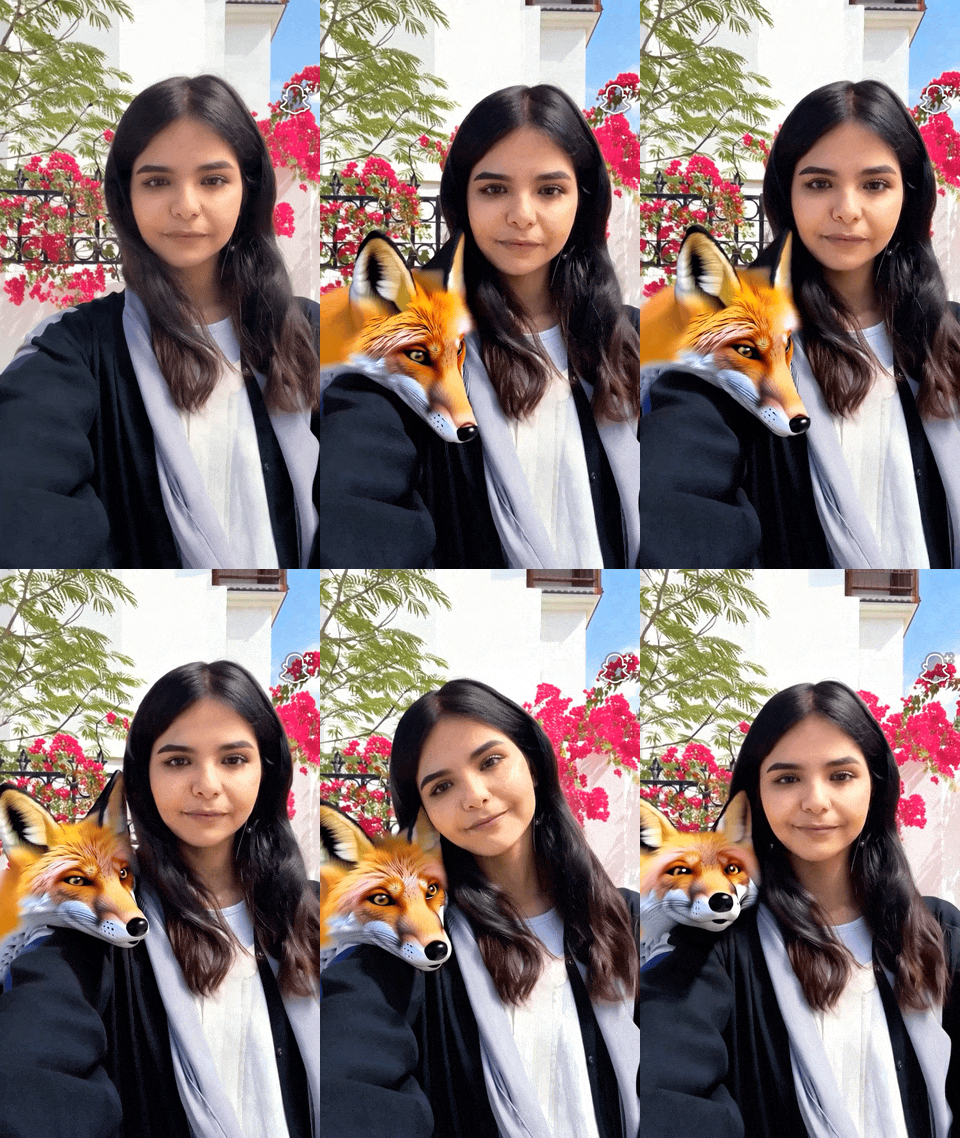
Collaborated directly with Snap product teams to help shape and define a generative AI lens experience, informing creative direction alongside emerging platform capabilities. This wasn't me waiting for the feature to land. I was actively involved in the product thinking. Led creative execution with the Instrument team, translating that product vision into scalable content across social and media channels, proving I understand how to move between product strategy and creative output.
3D Asset System
3D Asset System
Established a 0-1 design system for Always On AR, defining a scalable visual language for monthly and seasonal content so the team could refresh content without rebuilding from scratch. Leveraged generative AI to produce flexible 3D assets, enabling rapid creation while maintaining consistency across a growing library. Instead of outsourcing or hiring more people, I built systems that made the existing team more powerful. Designed an animation system that allowed a small team to efficiently animate assets, evolving the work from static to motion-driven to improve audience engagement.
What This Proves
I understand creator ecosystems deeply, not as an outsider but as someone who's designed for them, managed content volume for them, and built the systems that let creators and platforms feel supported. I've integrated generative AI into production pipelines from day one, using it as a core tool, not a novelty layer. And I've proven I can apply product design thinking (systems, constraints, iteration, efficiency) to visual design challenges at the speed of culture. That's exactly what YouTube Shorts needs right now.